
On October 15, 2026, Porsche unveiled the 'Mission S', a future-oriented vision model that offers a glimpse into the brand's evolved design identity, as part of its strategic restructuring called "Sportwagenschmiede '35".
Regarding the Mission S, Porsche CEO Michael Leiters said, "A Porsche must be instantly recognizable as a Porsche," and added, "The Mission S offers a glimpse into the ideas and design features that will shape Porsche for the next few years."
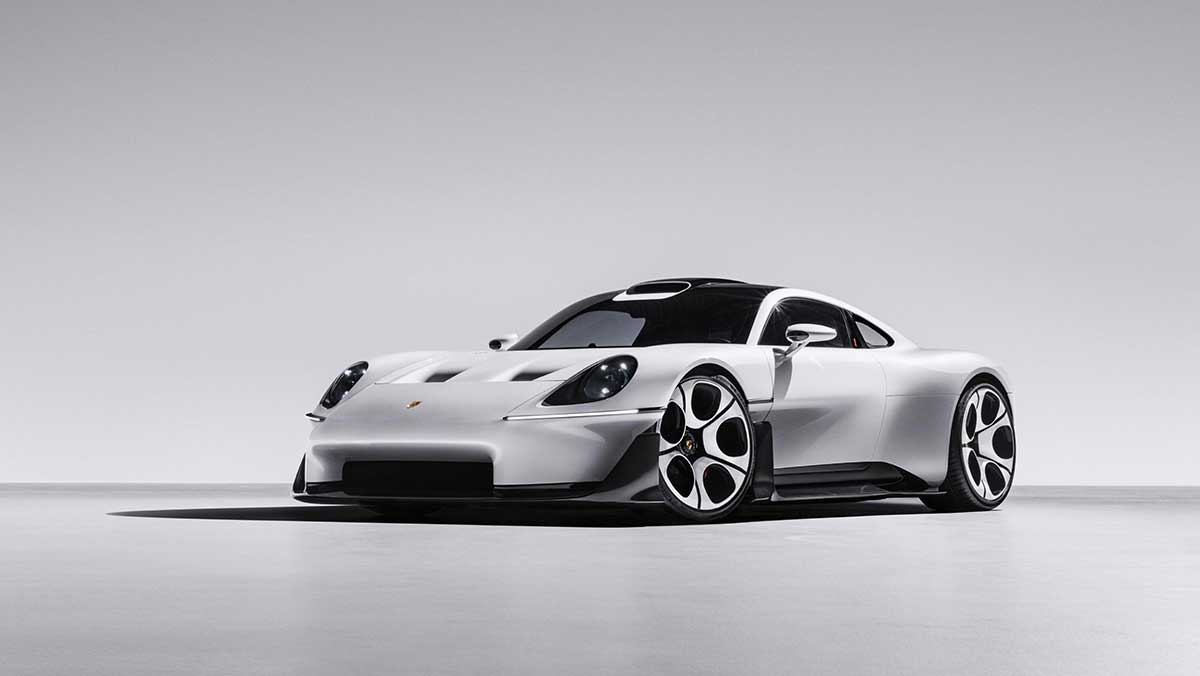
Now, let's take a look at the details of the Porsche Mission S that were announced:
What is Porsche Mission S?
- The focus was on "authentic, consistent, and timeless," and a strong connection between the driver and the car.

- Mission S represents a mid-engine supercar platform positioned above the 911.
- This is positioned not as a one-off hypercar, but as a permanent and versatile addition to the customer product lineup.
- Mission S is the result of a comprehensive, forward-looking design strategy.
- This vision model outlines the fundamental strategic direction that Porsche will soon incorporate into its future product portfolio.
- It combines a powerful mid-engine supercar platform with a clear design language inspired by iconic Porsche designs from throughout history.
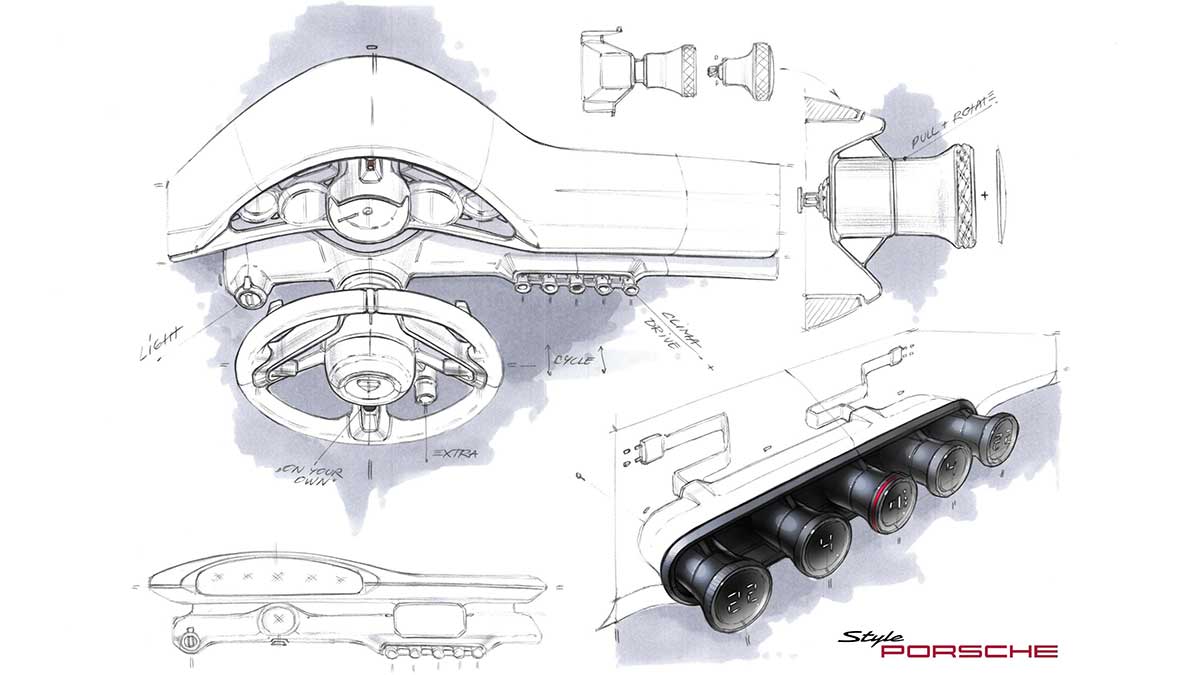
- The interior emphasizes purism, driver-centric ergonomics, and a forward-looking coexistence of analog and digital controls.
- By intentionally reducing digital surfaces, the focus is on direct interaction between the driver and the vehicle.
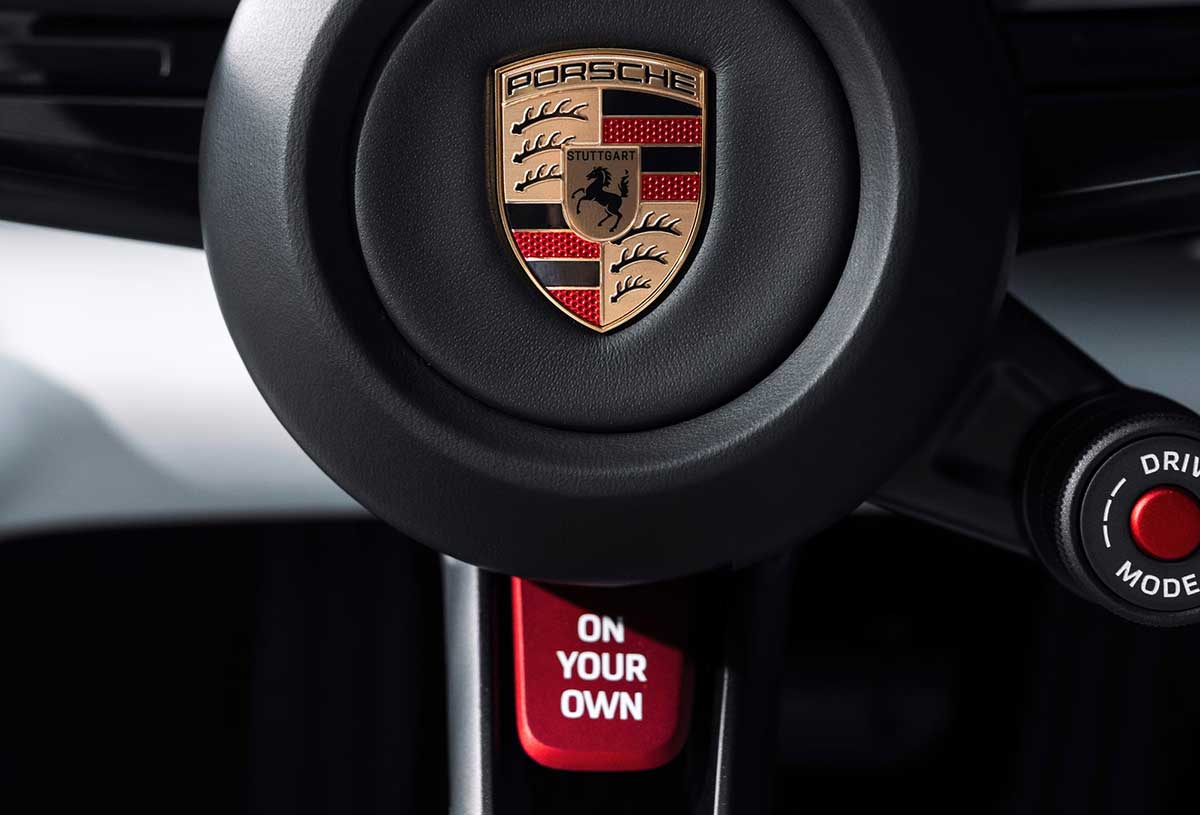
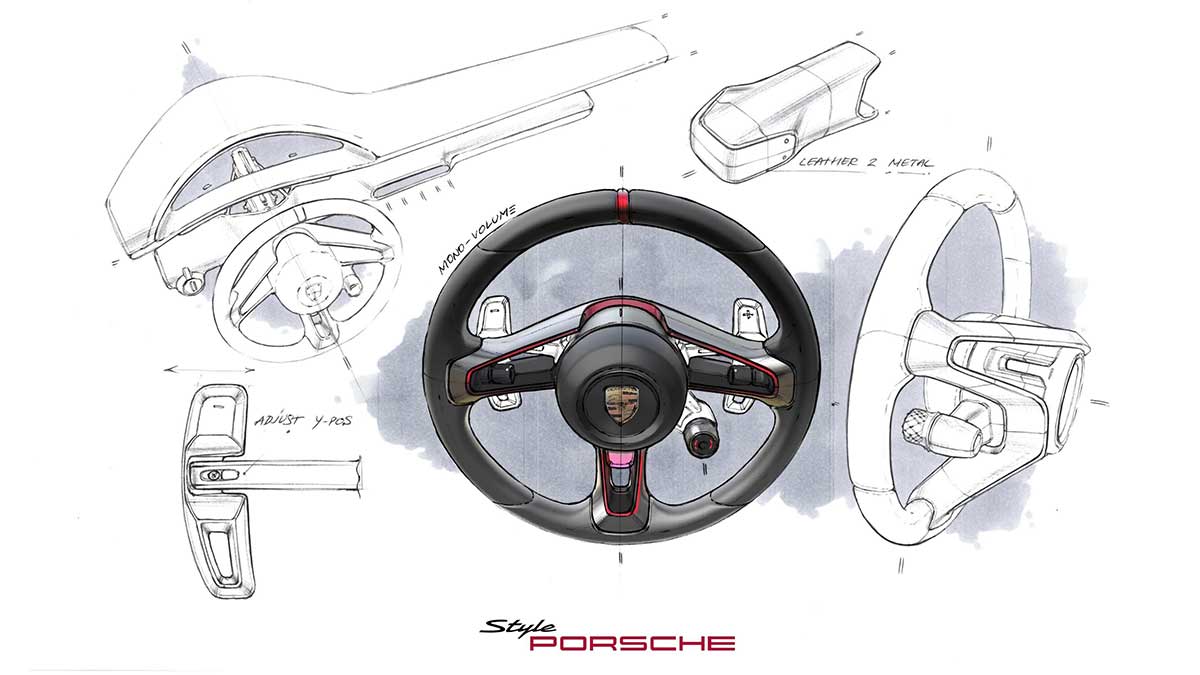
Pressing the red "On Your Own" button turns off the driver assistance systems, allowing you to experience pure driving pleasure.
The importance of the location where Mission S was announced
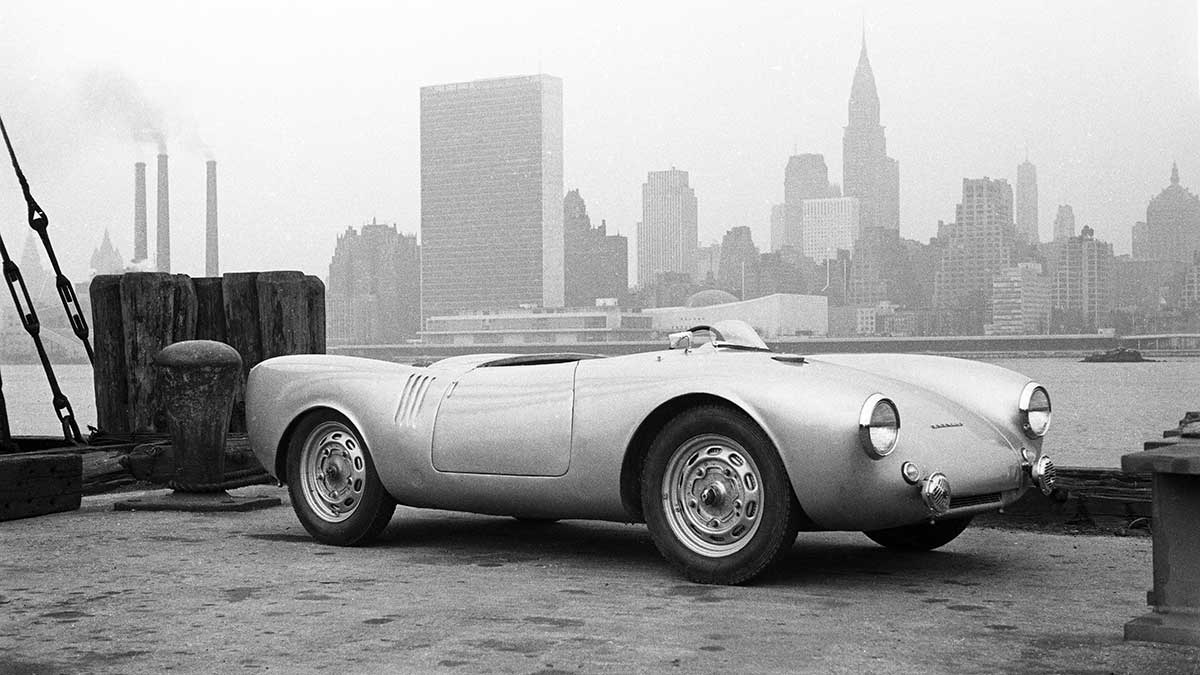
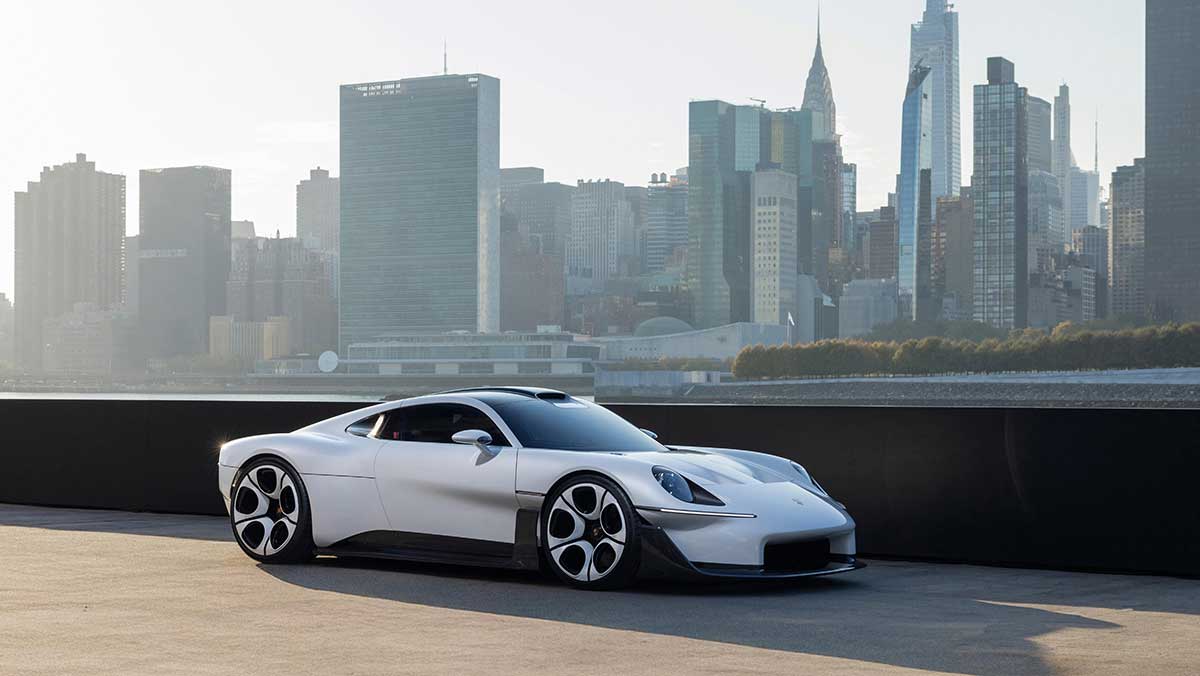
- The Mission S was unveiled for the first time in the world at a pier in Queens, New York, a historically significant location for Porsche.
- From that spot, you can enjoy a panoramic view of the Manhattan skyline.
- This pier is the place where a Porsche 550 Spyder was photographed in 1953, and where that photo spread all over the world.
- The Porsche 550 Spyder, Porsche's first supercar, is still highly regarded today as a car that established Porsche's identity.
- At the same time, it was a model that laid an important foundation for Porsche's popularity and success in America.
- By choosing this location to unveil the Mission S, Porsche emphasized how important Porsche's history is to the future of design and the brand, and this stance is reflected in the Mission S itself.
Exterior Design: A design expression that pursues purity, combined with innovative design elements.
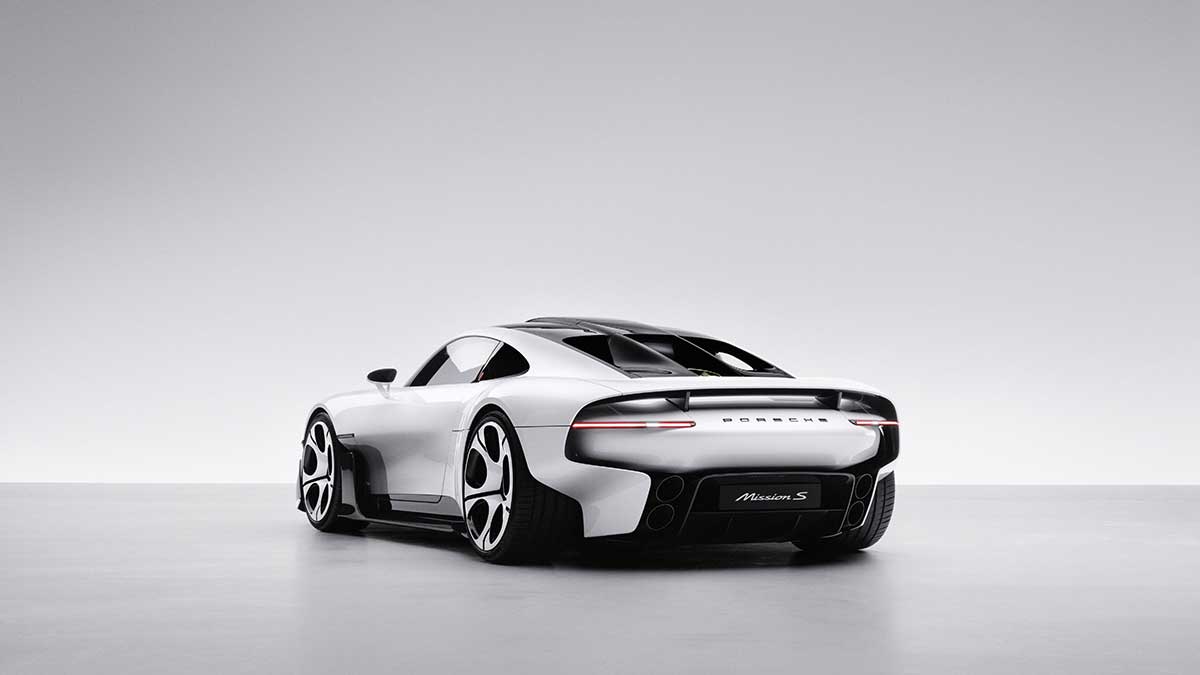
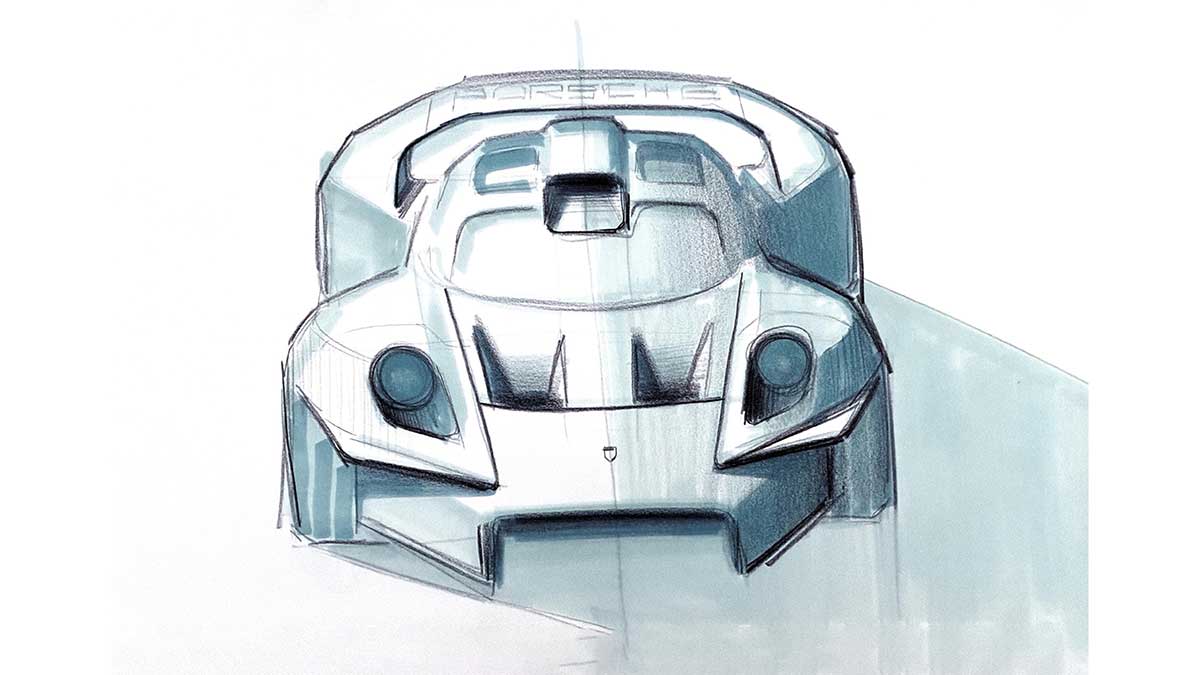
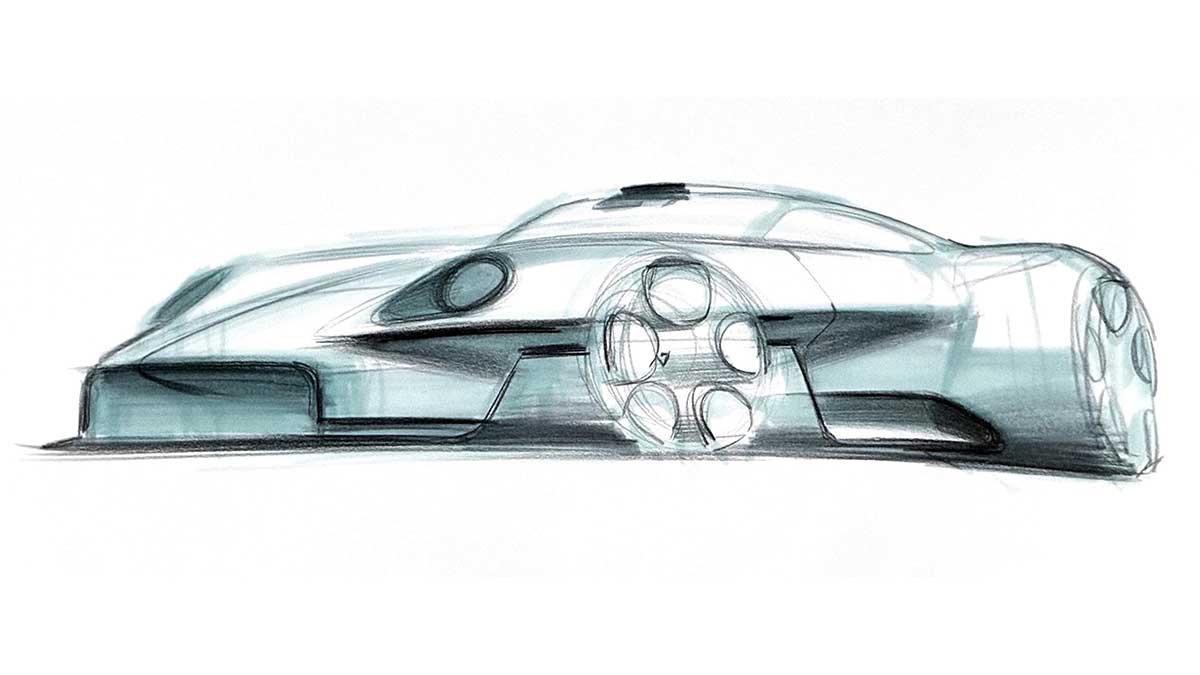
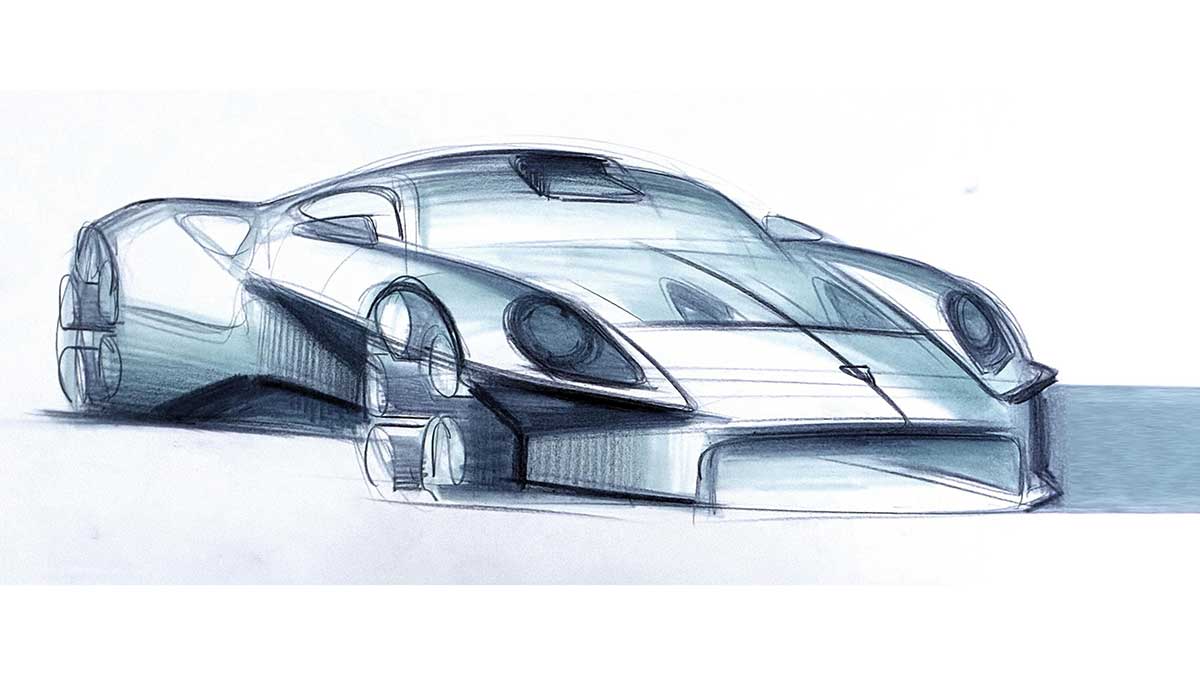
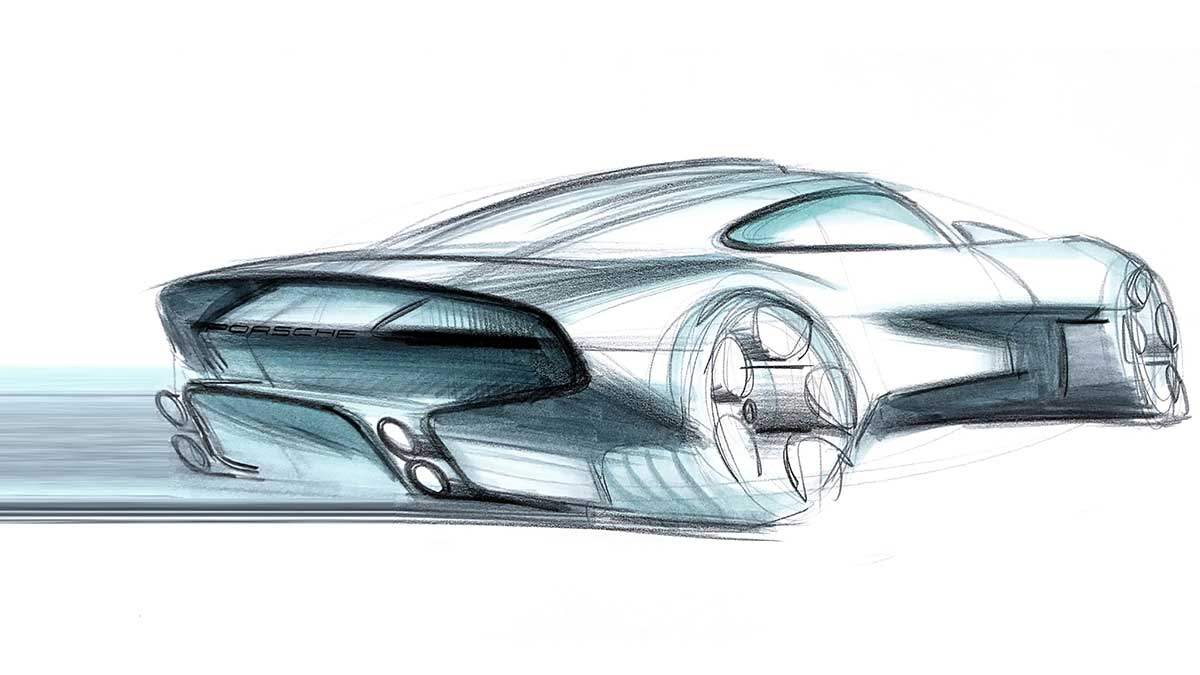
- The Mission S's exterior elevates Porsche's signature design elements into something futuristic.
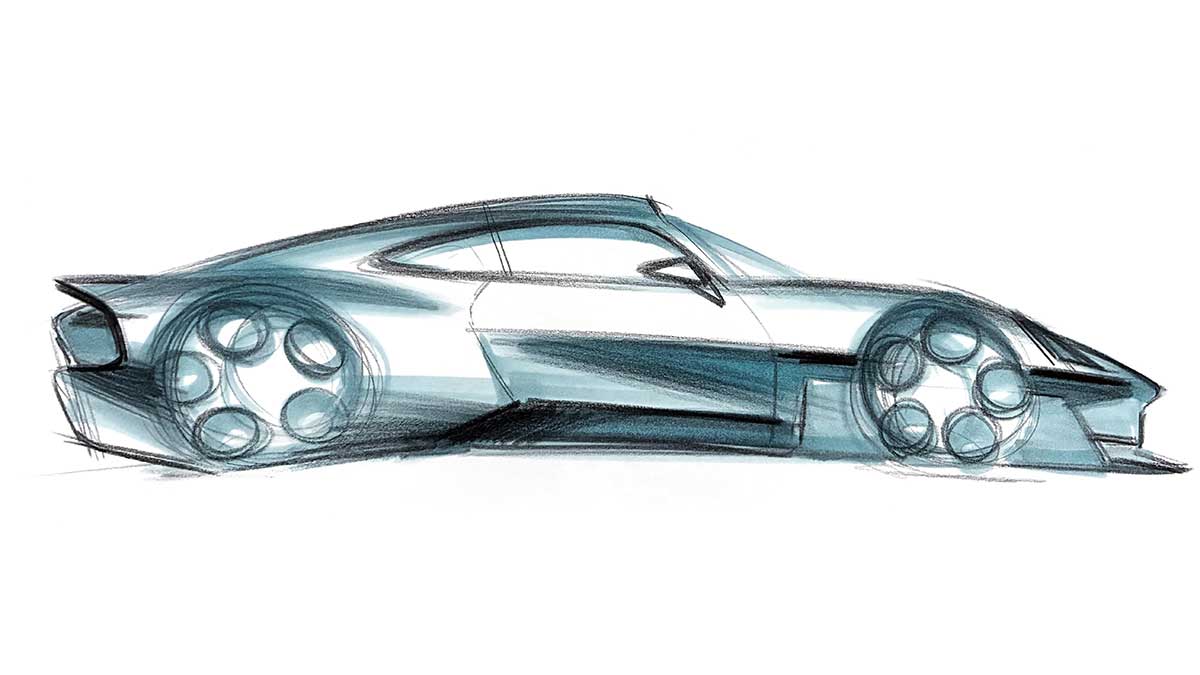
- The distinctive torpedo-shaped fenders, iconic roofline, and dramatic width-to-height ratio are core elements of this sports car's architecture.
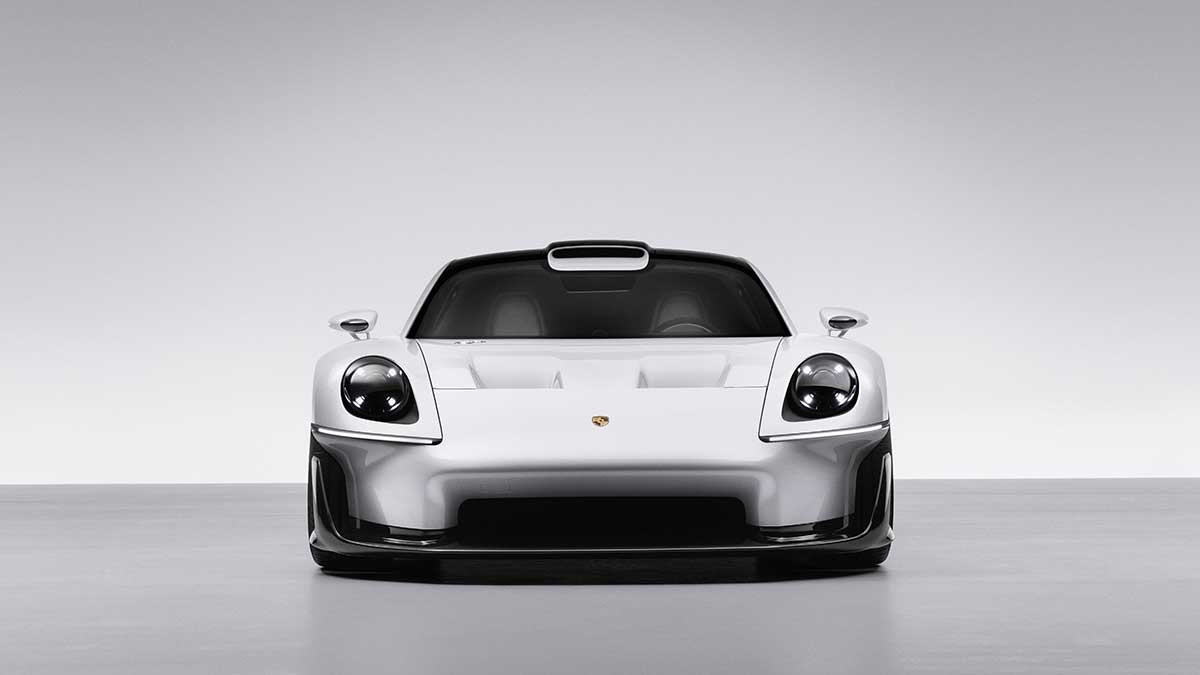
- The result is a flowing form and surface that appears to be floating in mid-air, known as "floating volume," creating a sculptural appearance that gives a powerful and technical impression, effectively highlighting the performance characteristics of a sports car.
- Particular attention has been paid to the clean lines of the car.
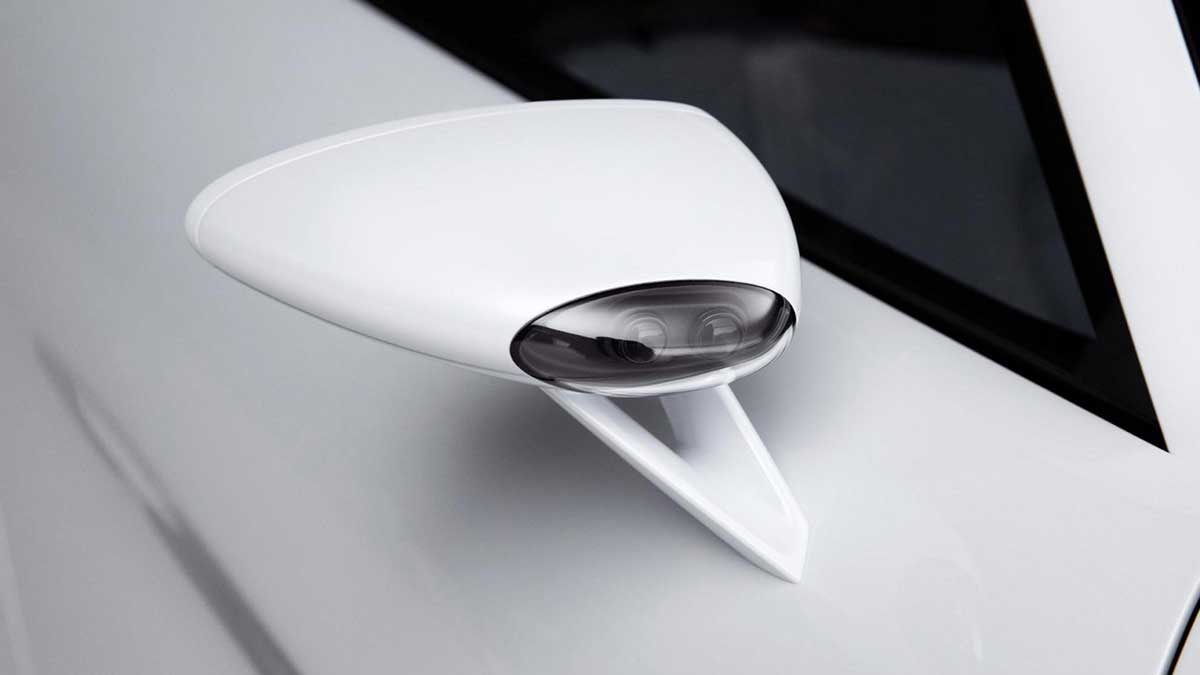
- The wrap-around main line connecting the front and rear light signatures creates an impressive yet harmonious overall appearance.
- The surface above this line emphasizes strength and dynamism, while the surface below visualizes technical functionality and emphasizes the philosophy of lightweight construction.
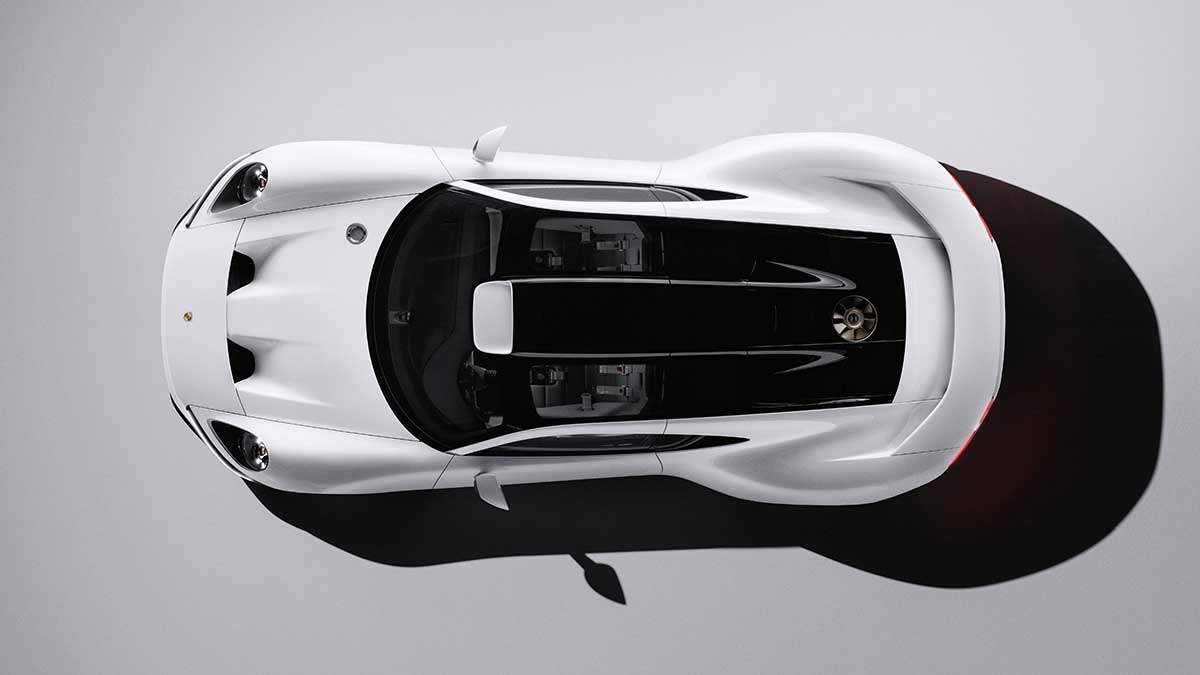
- The iconic Porsche design is a source of inspiration.
- The round headlights and striking fenders not only evoke a "torpedo" design, but also make the side profile more impressive, reminiscent of the 911.
- The shut lines (body panel division lines) that blend seamlessly into the light graphics are an homage to the 911 G models from the 1974-1989 model years.
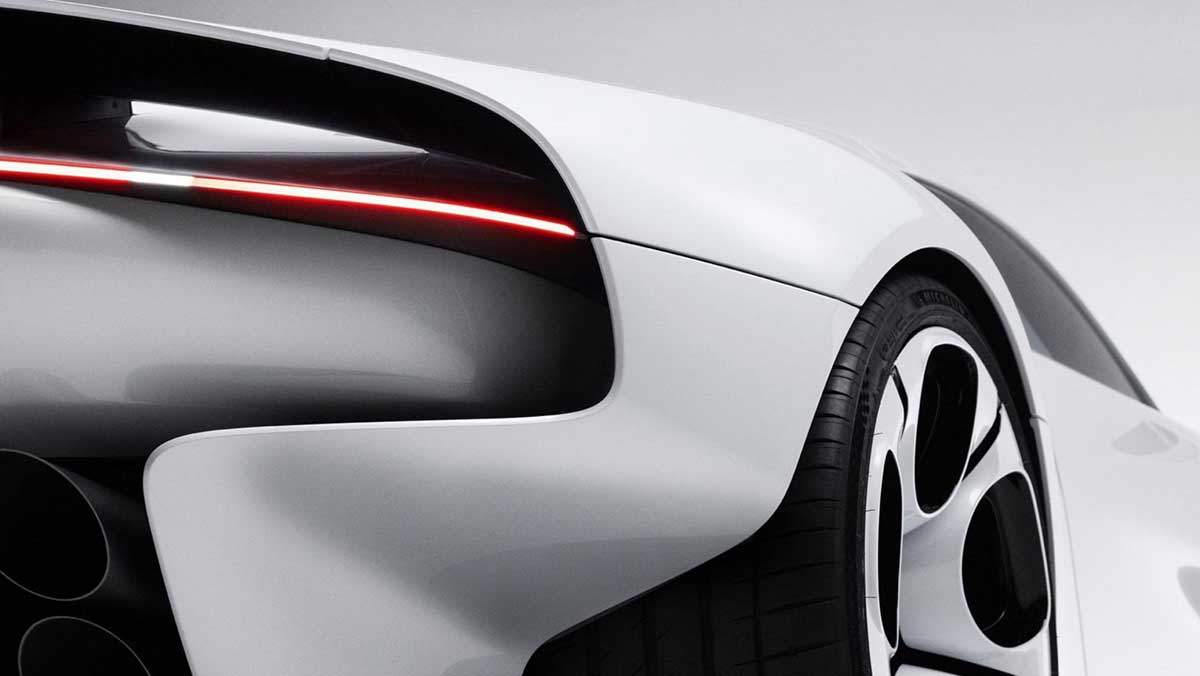
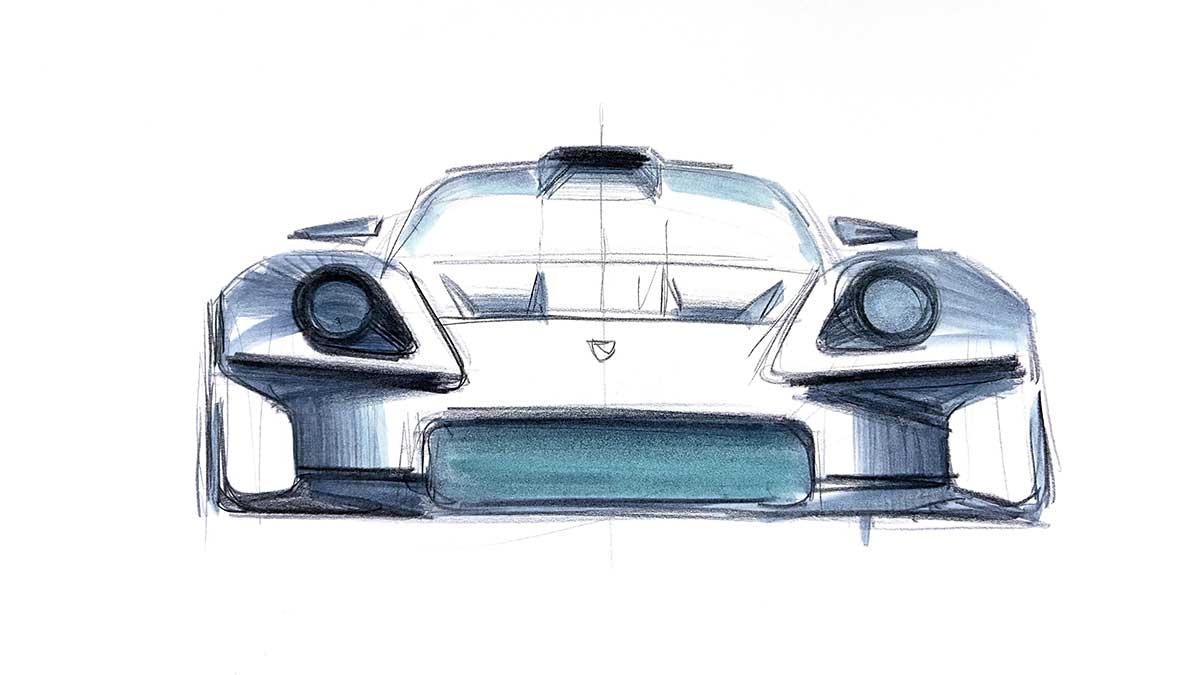
- The flat front end is inspired by the 911 GT1.
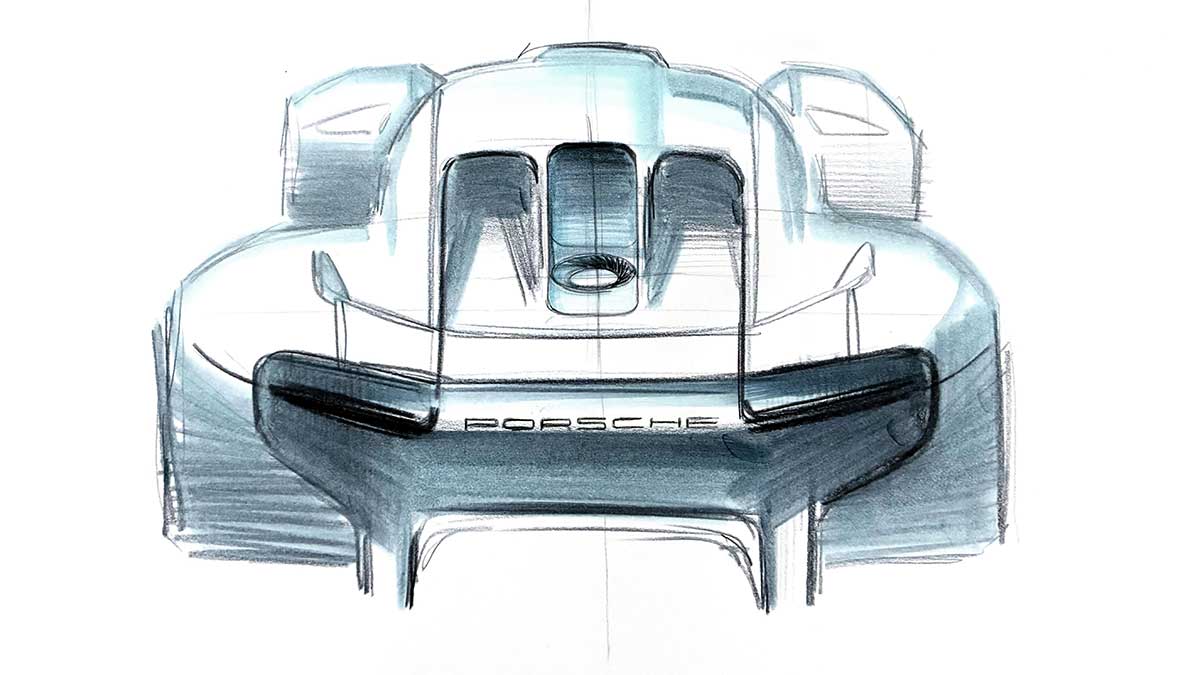
- The dynamic roofline beneath the rear wing is reminiscent of the 959.
- In the Mission S, it distinctively extends all the way to the rear of the car.
- Another highlight is the rear car-in-car concept derived from the GT1.
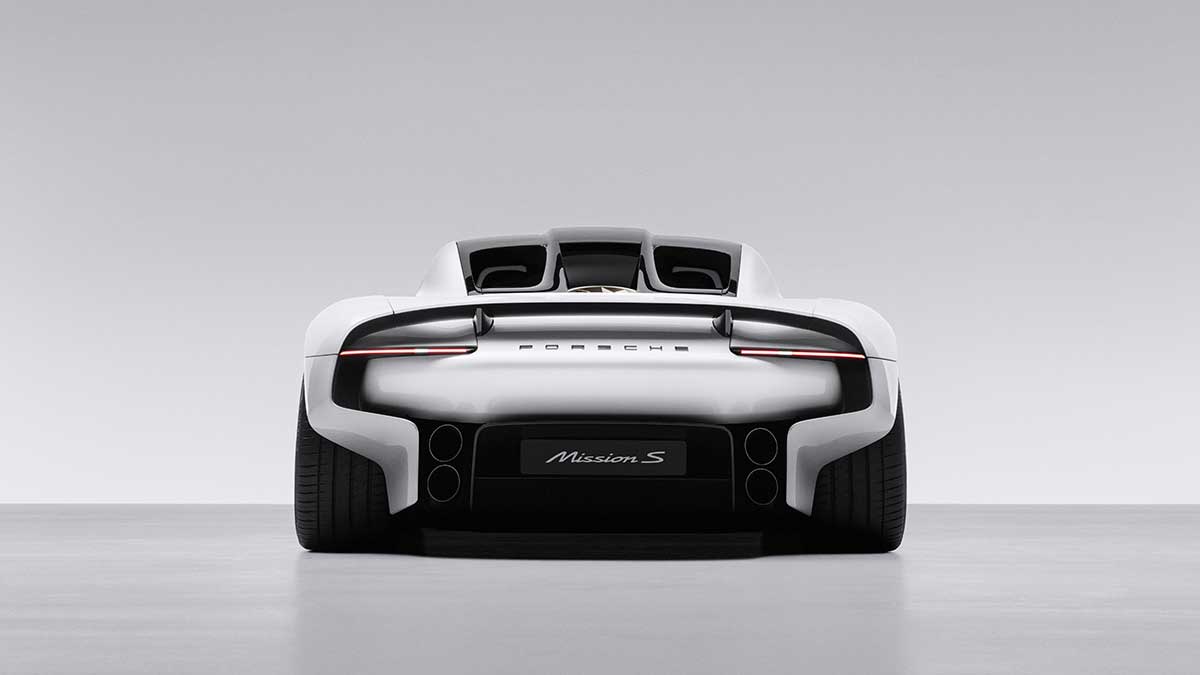
- All elements are incorporated with a modern interpretation and combined to form a harmonious overall design.
- The Mission S's proportions are characterized by its mid-engine layout.
- The engine is positioned in the center of the vehicle, achieving a "flyline" design.
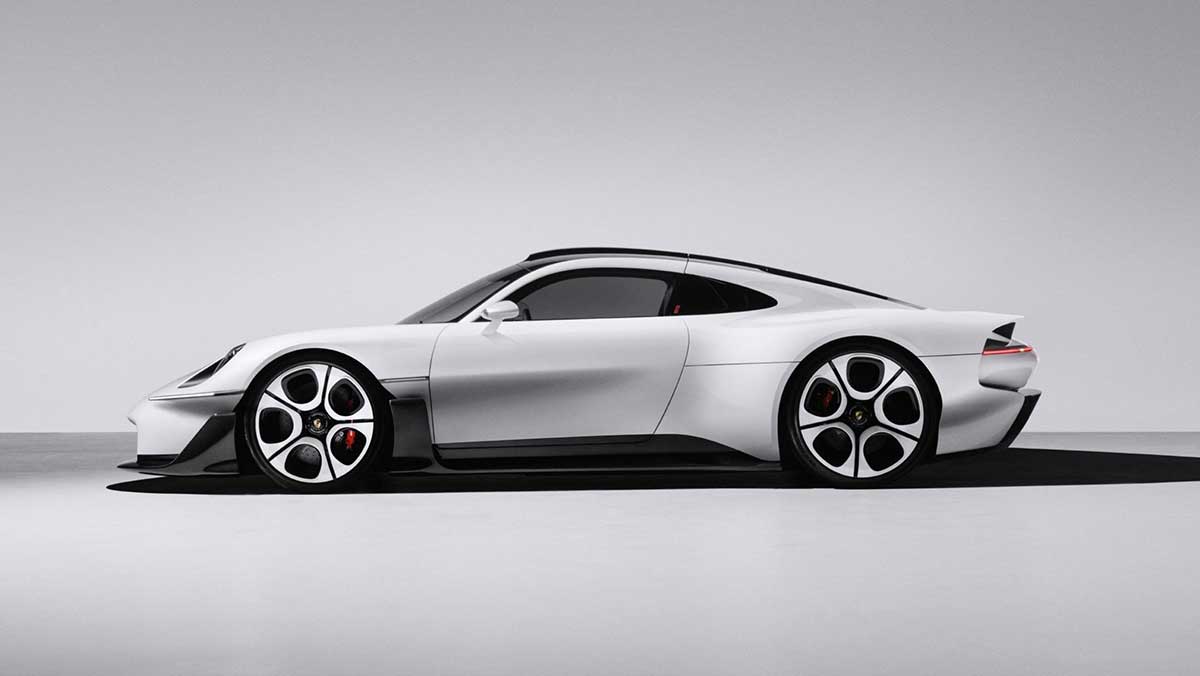
- The lightweight, conspicuously positioned fan wheel enhances cooling performance while also serving as an homage to Porsche's traditional racing car, the 917.
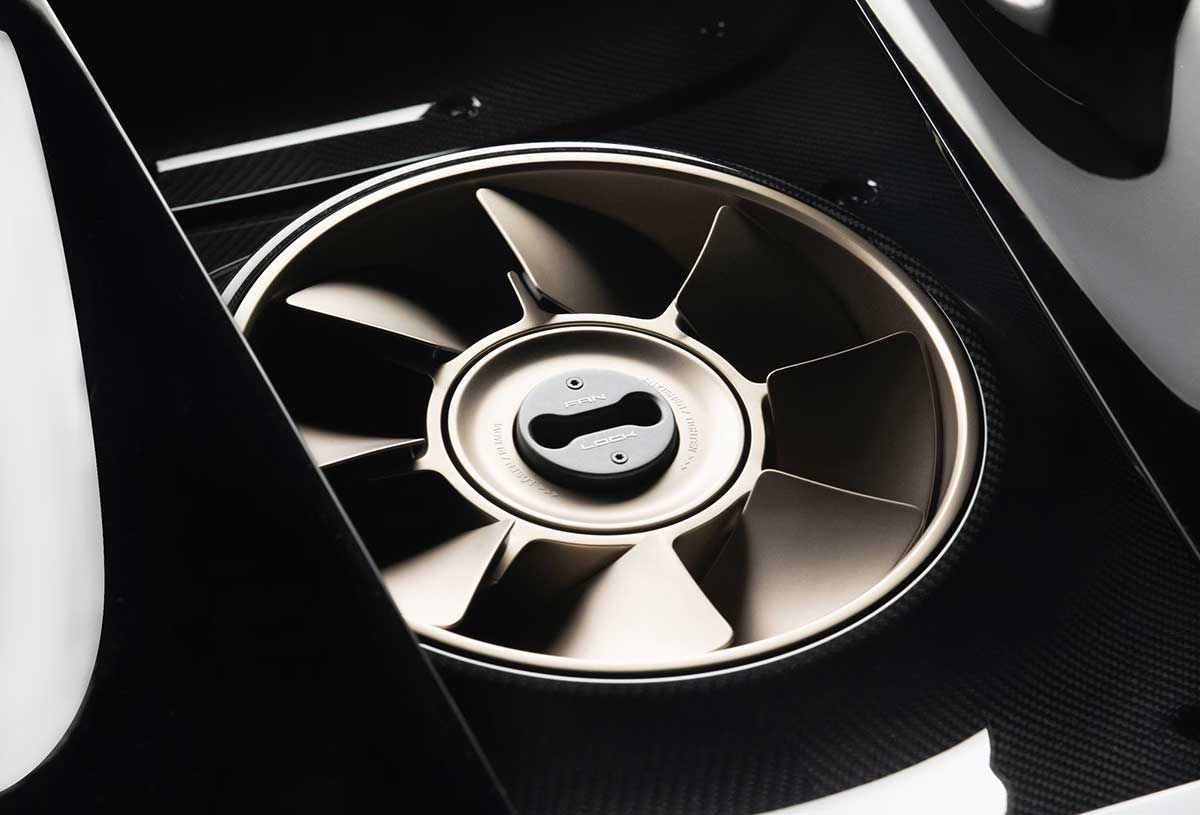
- Technical details such as the fully integrated active rear wing combine functionality and design in a way that is characteristic of Porsche.
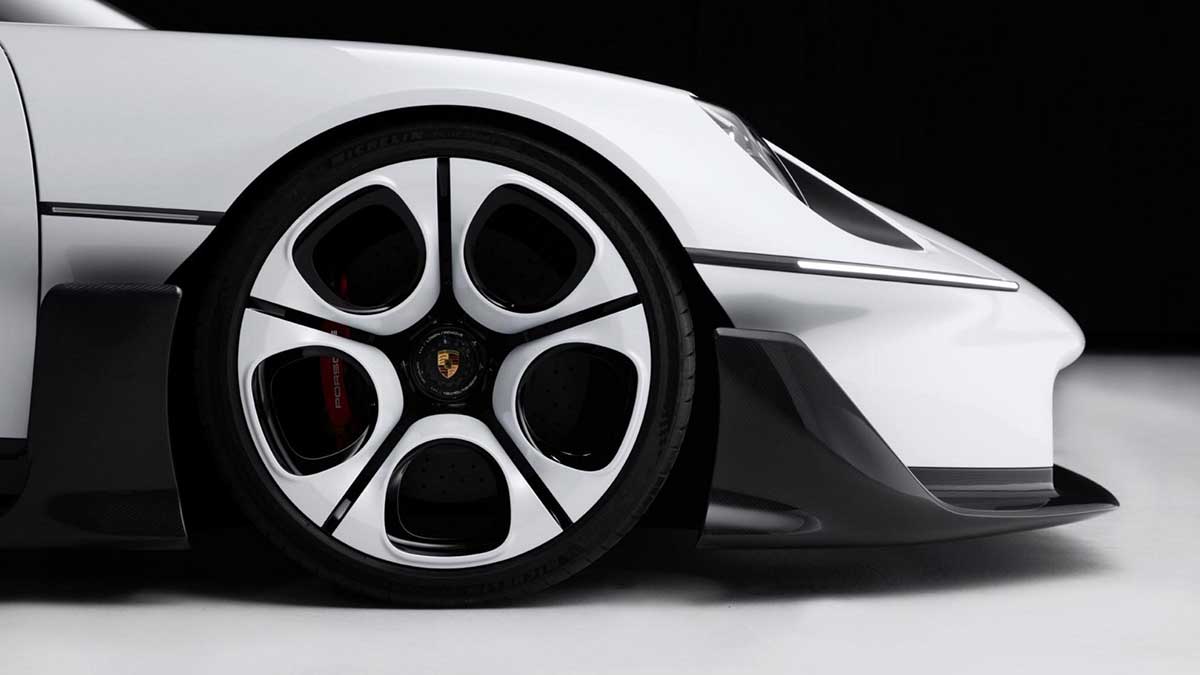
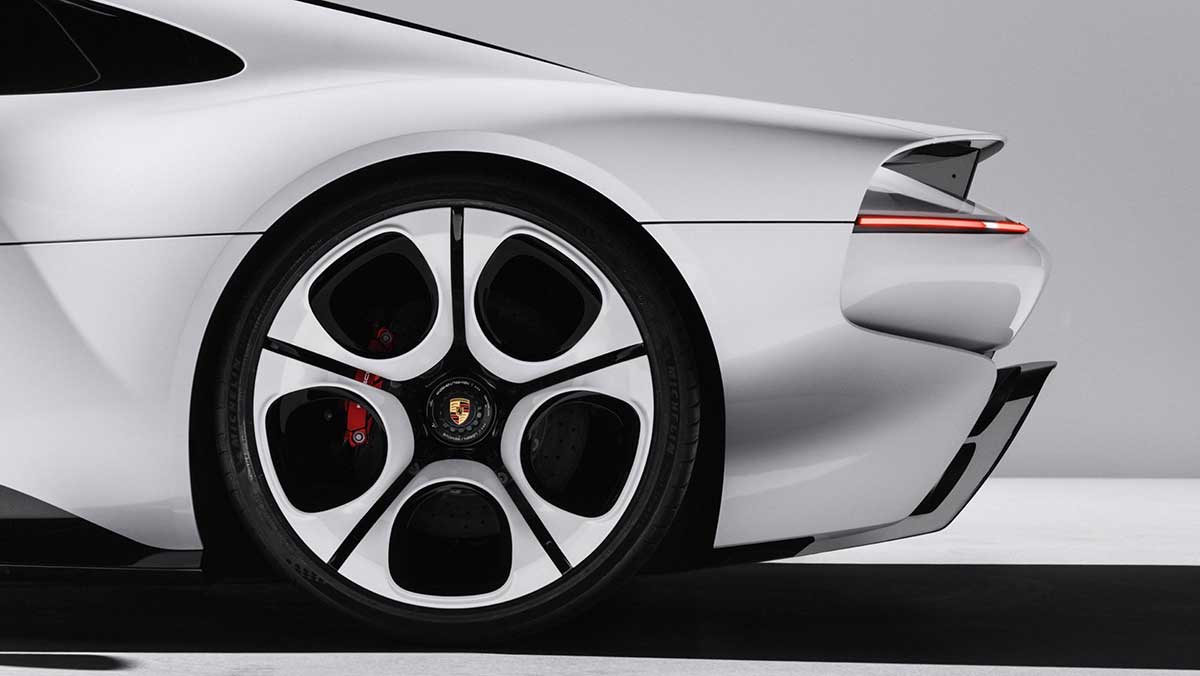
- Another point of interest is the wheels: a new design concept has been adopted that thoroughly pursues weight reduction based on the iconic "dial design" of the 928.
- The Mission S's wheels further accentuate the impressive overall look of the sports car.
Interior: A consistent design centered around the driver.
- The Mission S's interior embodies a deliberate return to the core values of sports car engineering.
- The interior design is based on historical Porsche sports cars such as the 550 Spyder and 356.
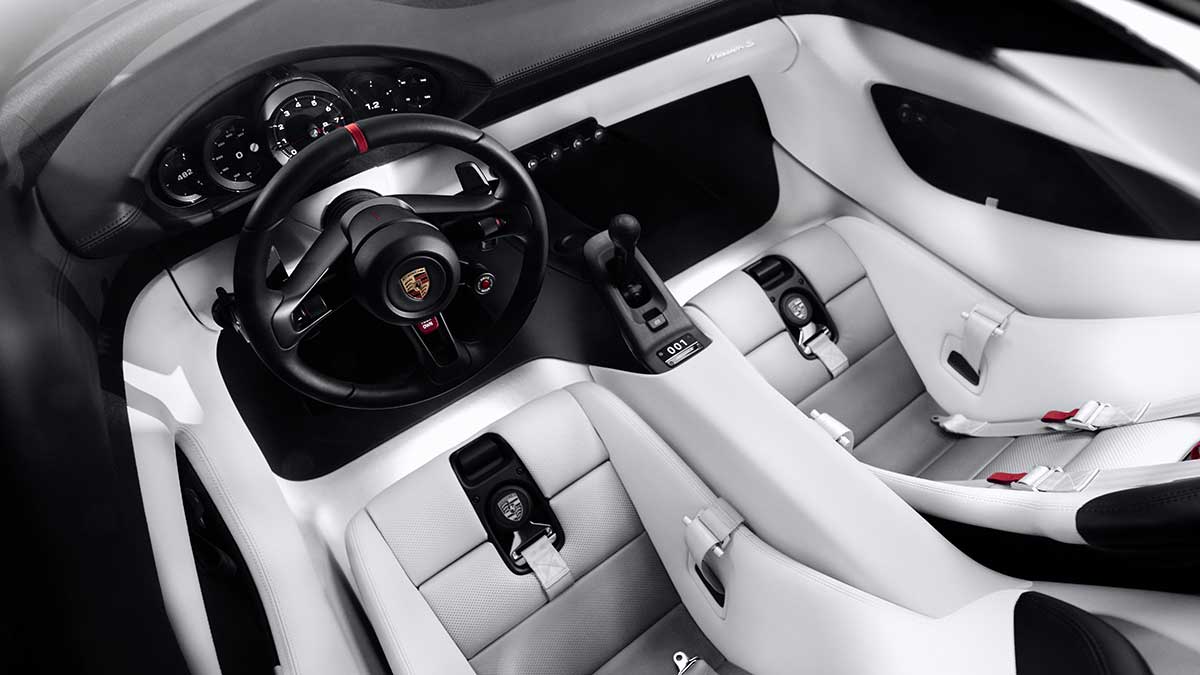
- Two distinctive lines run across the dashboard and doors, conveying a sense of being "deeply nestled within the car" and creating a visual connection with the exterior design.
- At the same time, it creates a clear and timeless appearance that draws attention to essential elements.
- The seamless transition between analog and digital controls gives the interior a familiar yet modern feel.
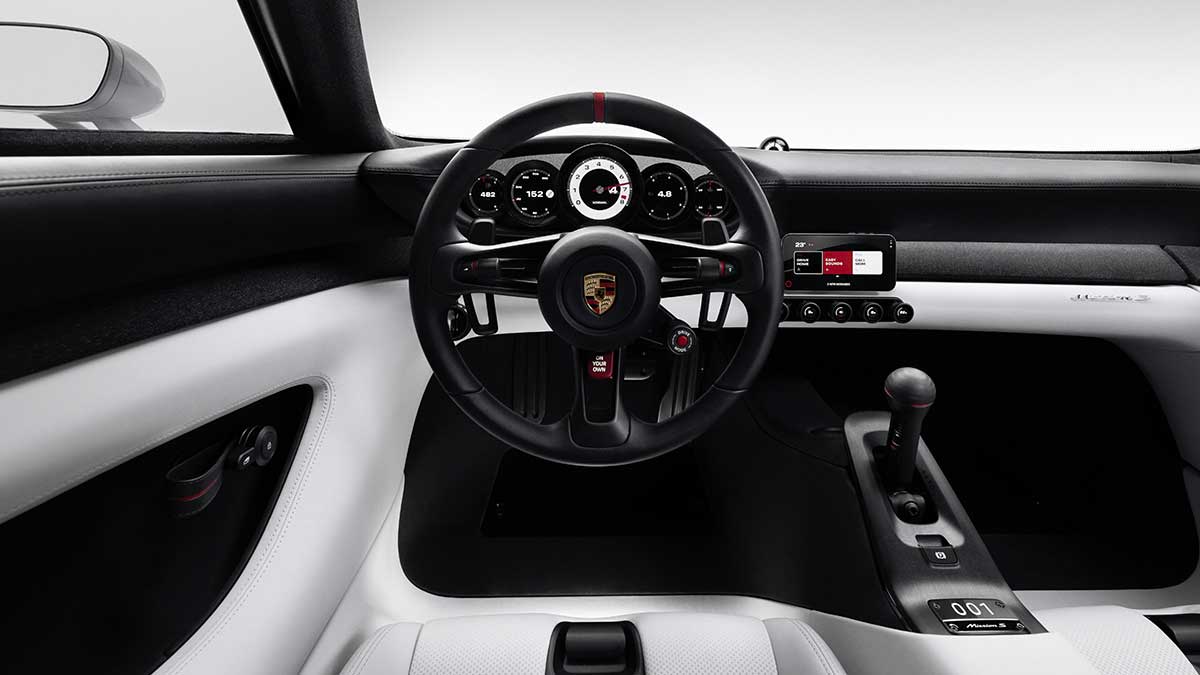
- Classic switches and buttons are combined with a modern display, resulting in an ergonomic layout that blends familiarity with the future.
- The seats also follow this approach.
- New technological solutions, such as seatbelt buckles integrated into the center panel and repositioned electric adjustment controls, blend comfort, functionality, and motorsport DNA.
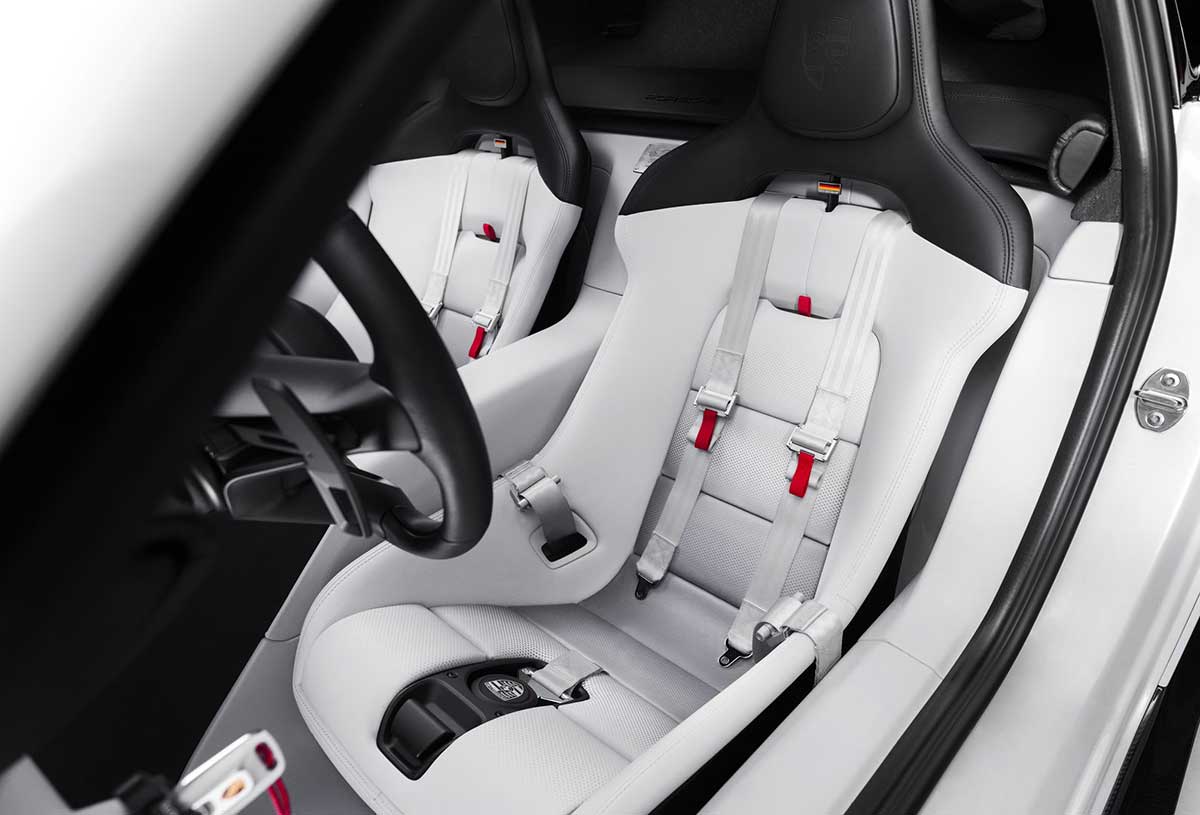
- In terms of color scheme, the use of white, gray, and red intentionally follows the tradition of Porsche racing cars.
- The specially developed colors—Firn White Metallic, Light Red Metallic, Black Chrome, and Special Black for the interior—reinterpret classic Porsche Motorsport colors, emphasizing a visual connection to the brand's sporty core.
Driver Experience: A fusion of analog and digital controls and displays.
- In addition to further advancements in interior design, there is clearly a strong emphasis on the "driver experience."
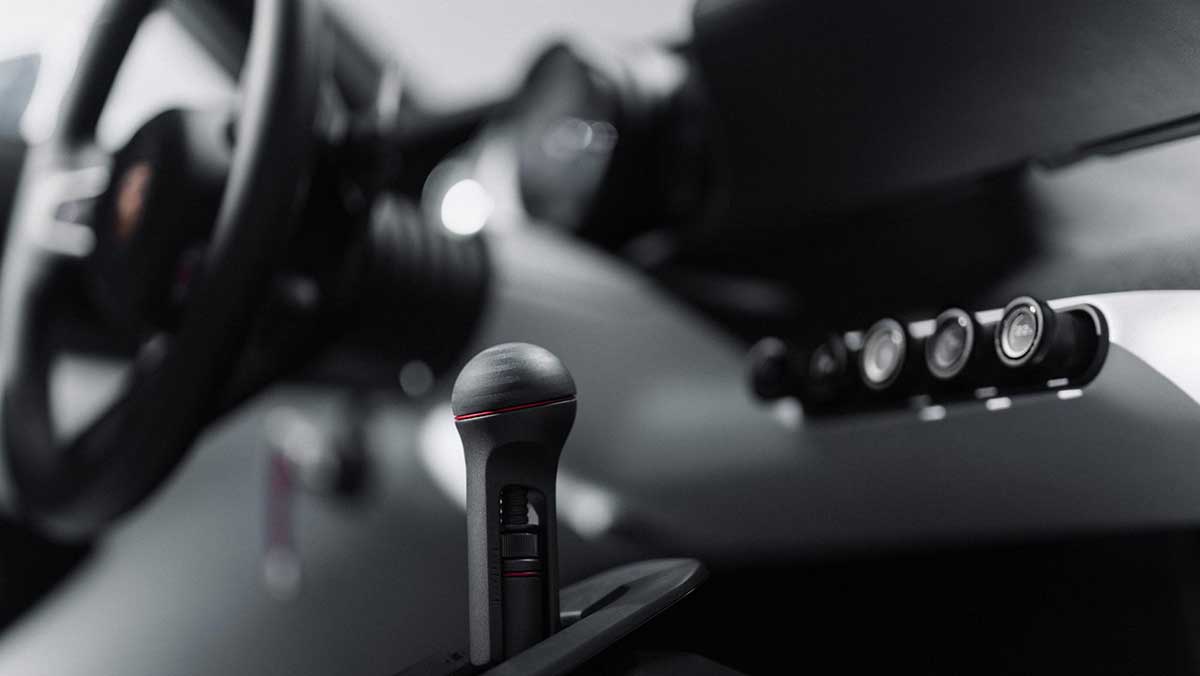
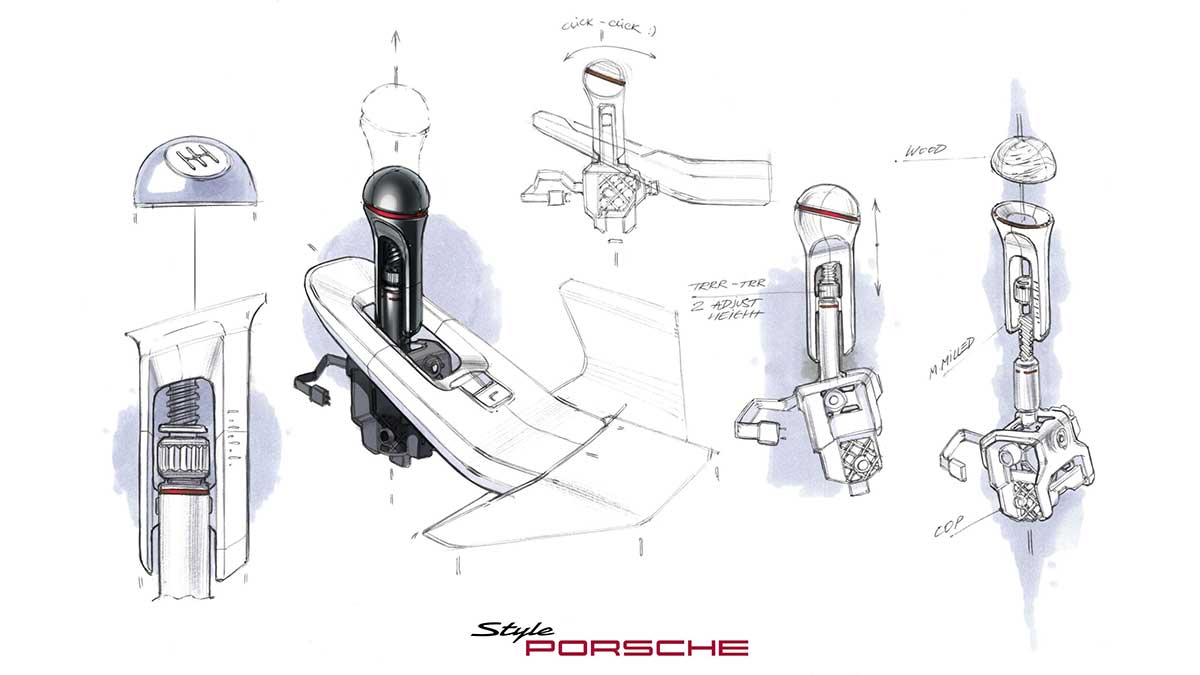
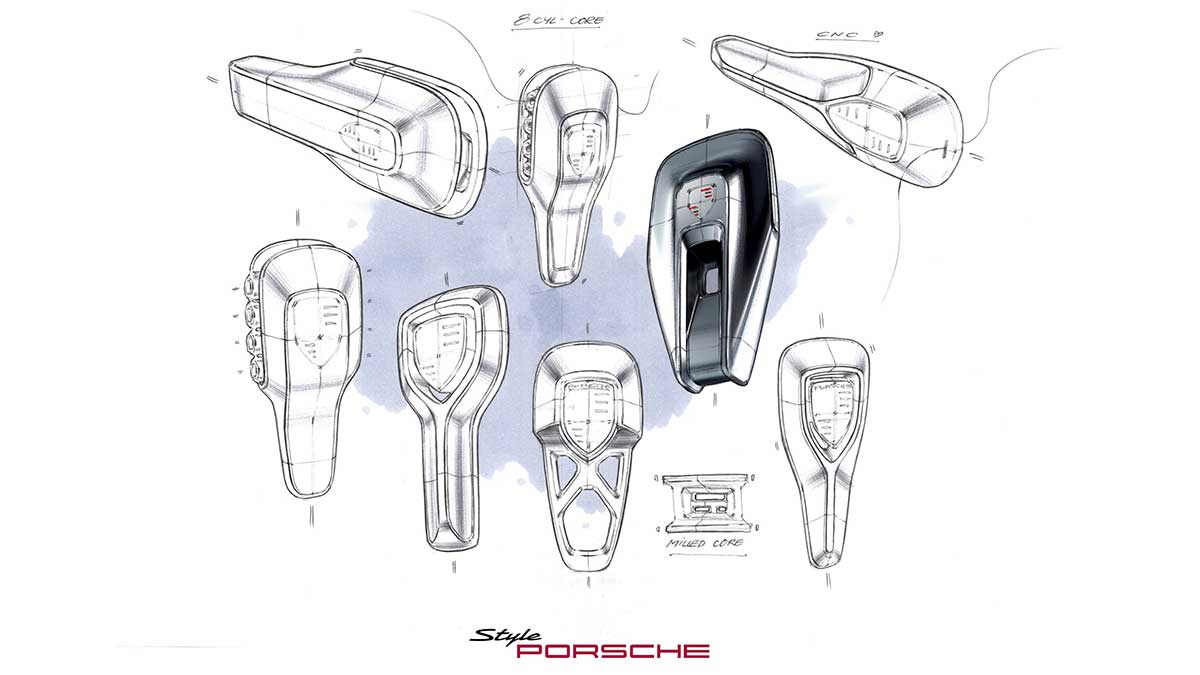
- The gear lever is height-adjustable and is intentionally designed to provide a tactile experience.
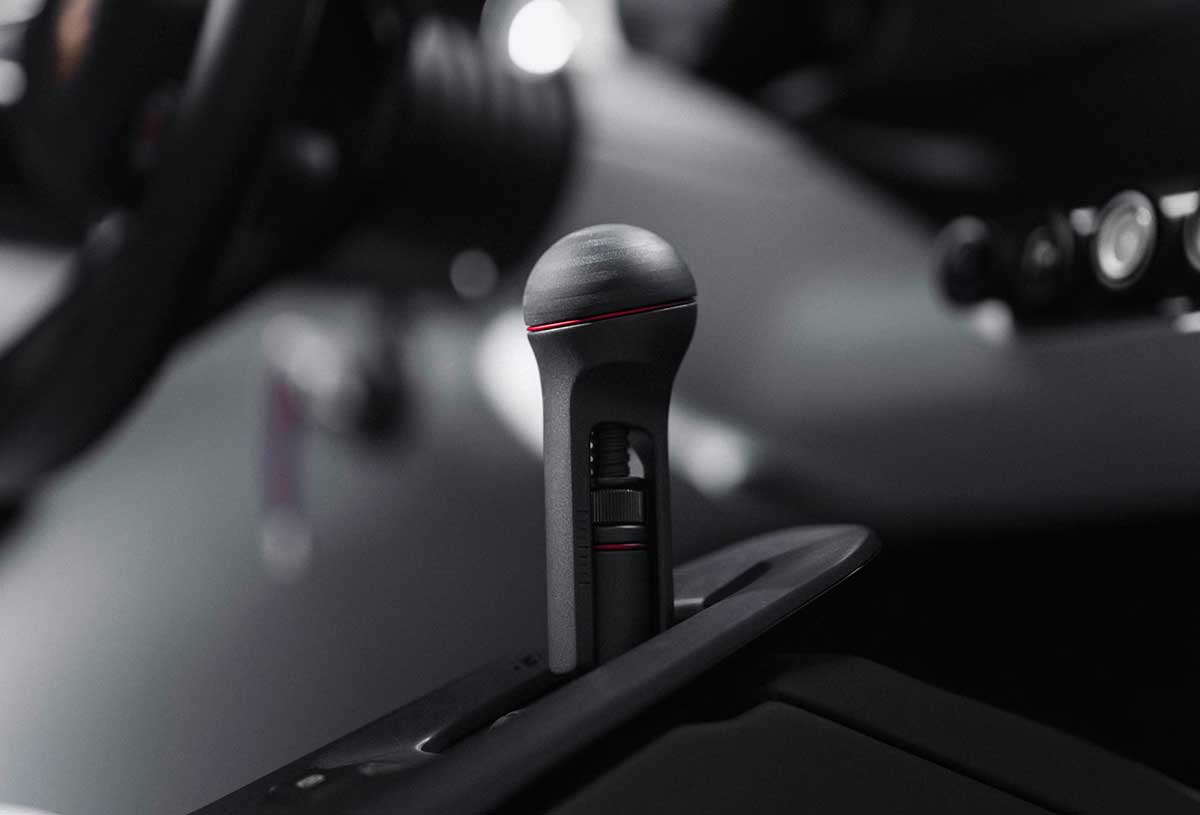
- Aiming to ideally blend analog and digital operability, the concept prioritizes simplicity, clarity, and intuitive operation rather than adding extra displays or functions.
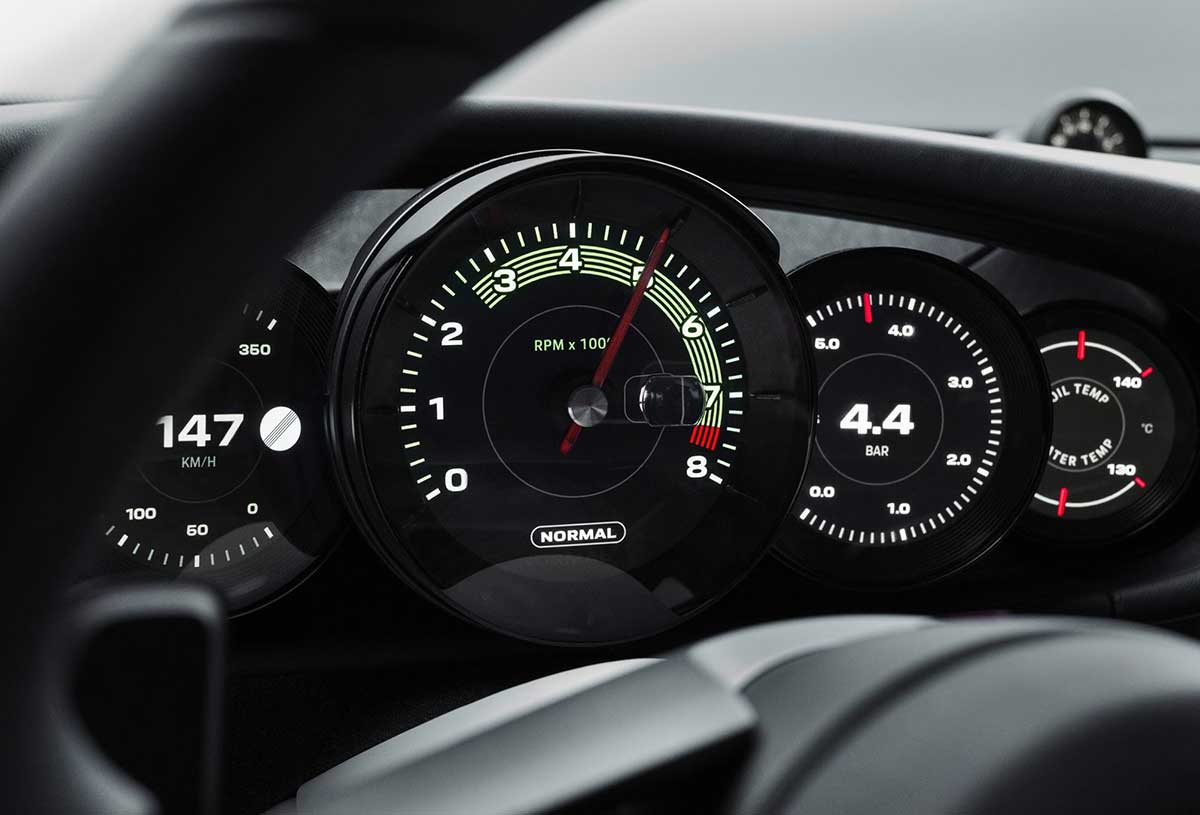
- The arrangement of the driver-centric control and display systems forms the core of this concept.
- By systematically positioning all controls towards the driver and combining haptic and digital feedback, a particularly direct user experience is achieved.
- Of particular note are the five distinctive round gauges located behind the steering wheel.
- The tachometer features an analog needle in the center and a display behind it.
- Depending on the driving mode, the tachometer moves closer to the driver, further enhancing concentration.
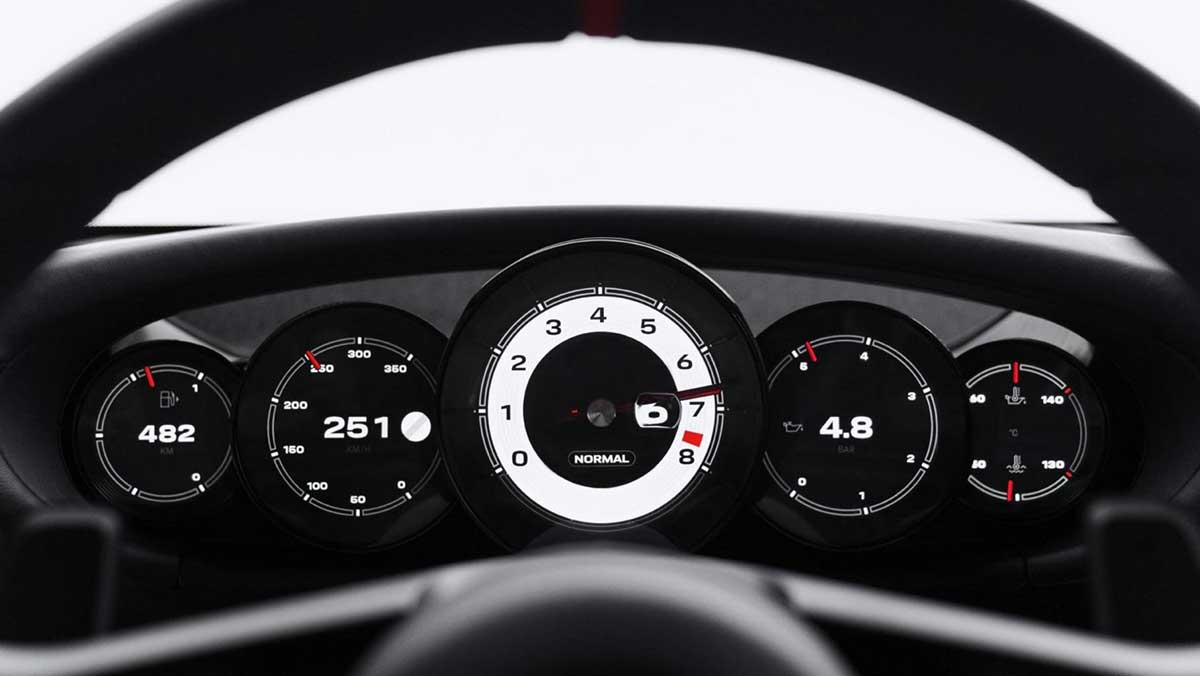
- The arrangement of the round gauges also changes according to the selected driving mode, with cylindrical gauges being arranged side-by-side or overlapping front to back to meet the driver's needs.
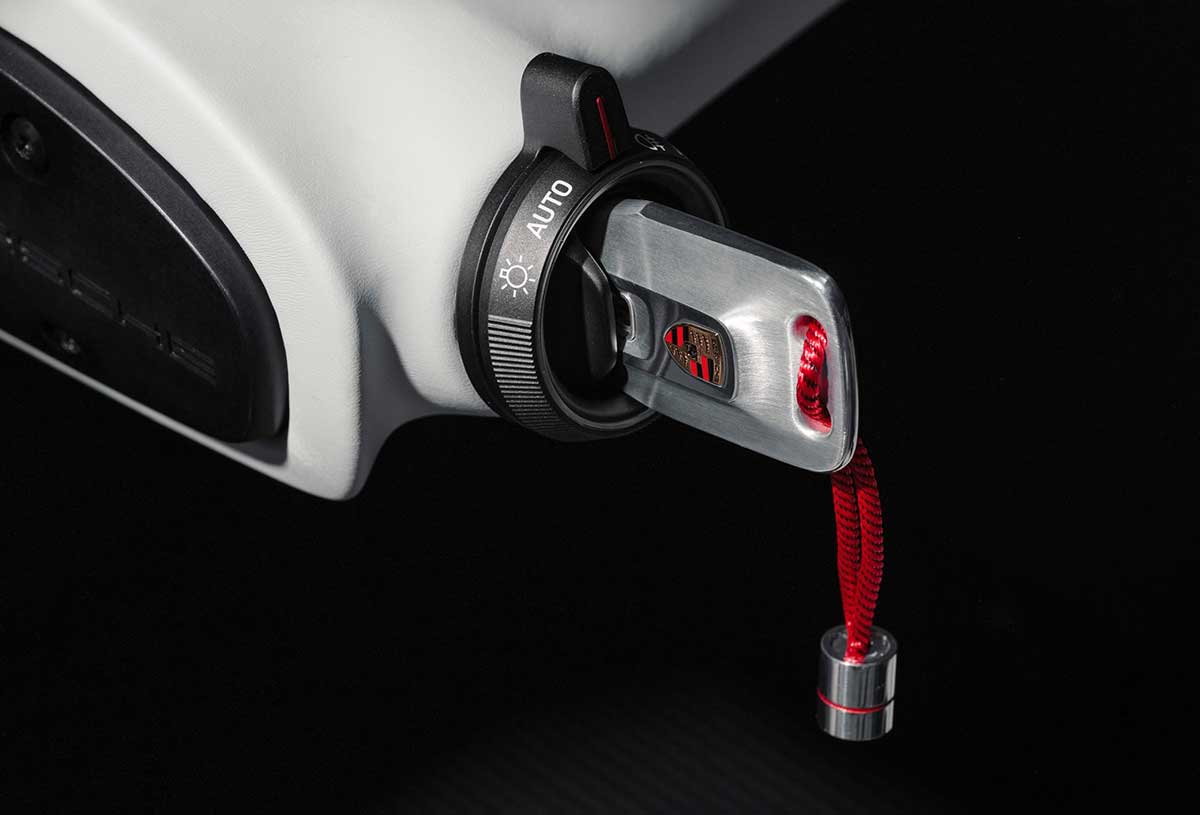
- Other innovative features include a dedicated key holder located to the left of the steering wheel, in keeping with Porsche tradition, and new control elements on the dashboard with push-pull functionality for direct access to various comfort and driving functions.
- The key is made of aluminum.
- The redesigned sports chronograph elements also combine the characteristics of analog with the precision of digital.
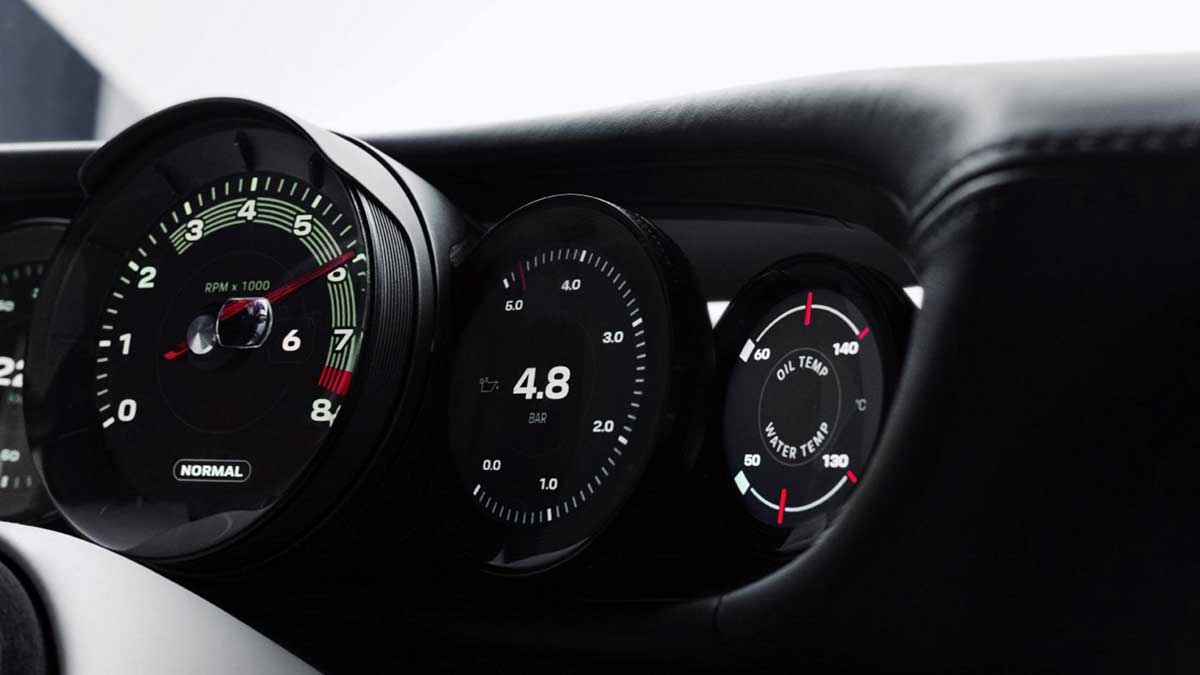
- This time, we deliberately chose not to include a permanently integrated center display on the dashboard or a fixed passenger-side display.
- Instead, it features a retractable smartphone system with MagSafe technology that can be used as needed.
- The user's smartphone can be used as a navigation or information display.
- The user-friendly and well-organized My Porsche app not only gives you access to all features, but also allows you to choose from history-inspired designs digitally rendered on the circular instrument cluster.
- As a result, we have achieved an interior concept that prioritizes the driving experience while providing maximum flexibility and convenience.
The future of sports cars: Development of a mid-engine supercar platform
The announcement did not include any specific details about the Mission S's powertrain specifications.
Meanwhile, Porsche has revealed plans to develop a new mid-engine supercar platform and to offer a lineup of supercars that will be continuously produced, rather than just one-off hypercars, above the 911.
The clear goal of developing the new model is to achieve the highest level of engineering technology and maximum flexibility.
This will be supported by Porsche's decades of motorsport experience, innovative and iconic brand technology, and the advanced design unveiled with the "Mission S."
I'm really looking forward to the day when a new Porsche supercar based on this Mission S (or something similar) is officially announced!
Source:
◆(Official) Porsche Mission S: the essence of the sports car reinterpreted
◆(Official) Porsche Mission S: the essence of the sports car reinterpreted
◆(Official) Porsche Mission S
Related article:
◆What is Porsche's new strategy for 2035, "Sportwagenschmiede '35"?
◆Presentation materials (90 pages) for the Porsche Sportwagenschmiede '35
I'm Rika, the author of this article. Since I got my hands on a Porsche 911, I've been completely hooked on Porsches and I can't stop loving them, so I started this blog. My favorite cars are the 911 Carrera (2/991), 911 Carrera Cabriolet & 911 Carrera T (1/992), GT3 (1/997) and 718 Cayman GT4 RS.
 English
  Japanese