
Fabric is original quality
Porsche has announced that it will once again offer the fabric patterns used in classic Porsche models in Porsche quality.
This makes it possible to restore the interiors of many historic cars, from the Porsche 356 to the 911, to their original condition.
The newly announced fabric can be ordered at a Porsche Center or from the Porsche online shop.
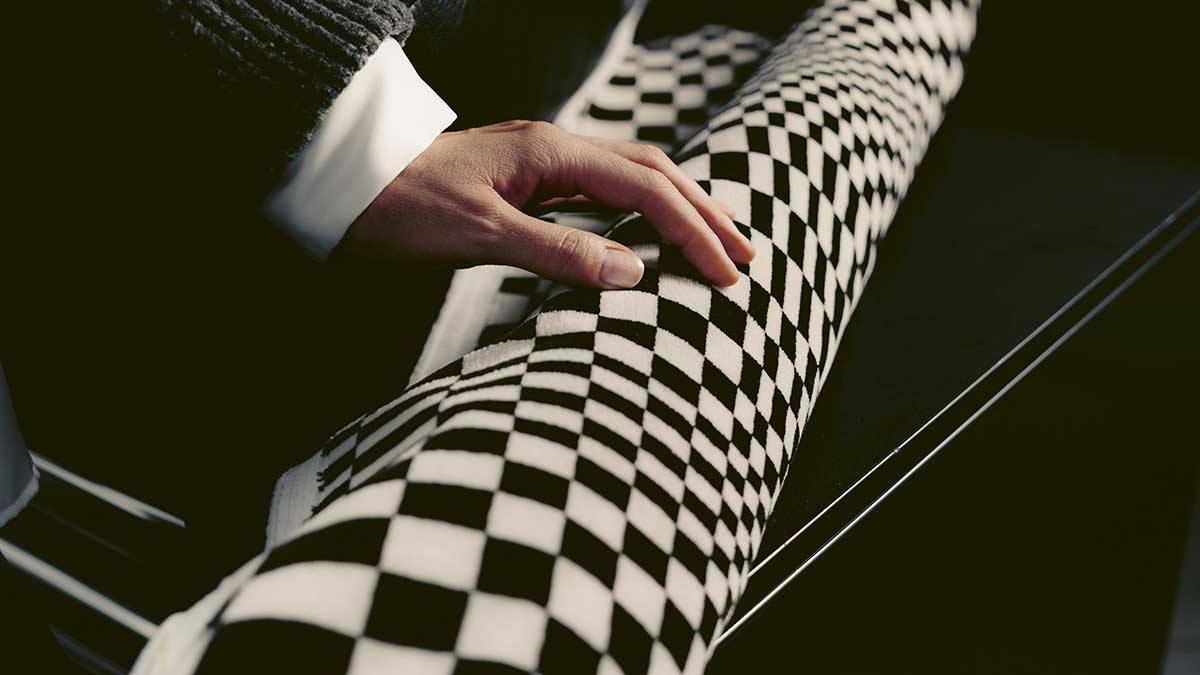
The fabric designs available for purchase include a wide range of familiar patterns, such as Pepita, Pasha, tartan, and pinstripe, that make you think, "Ah, that classic Porsche pattern!"
There are also a variety of colors to choose from.
The reason why Porsche has started selling this type of fabric is that there are currently many imitations on the market that are completely unsuitable for use as seat fabric, or whose appearance deteriorates within a short period of time. Porsche wanted to once again offer customers an original, proven alternative to these, and to maintain the quality of the fabric.
Something that is not genuineI saw a lot of them selling and thought this would sell.Perhaps Porsche, which places importance on quality, could not allow this to be sold.
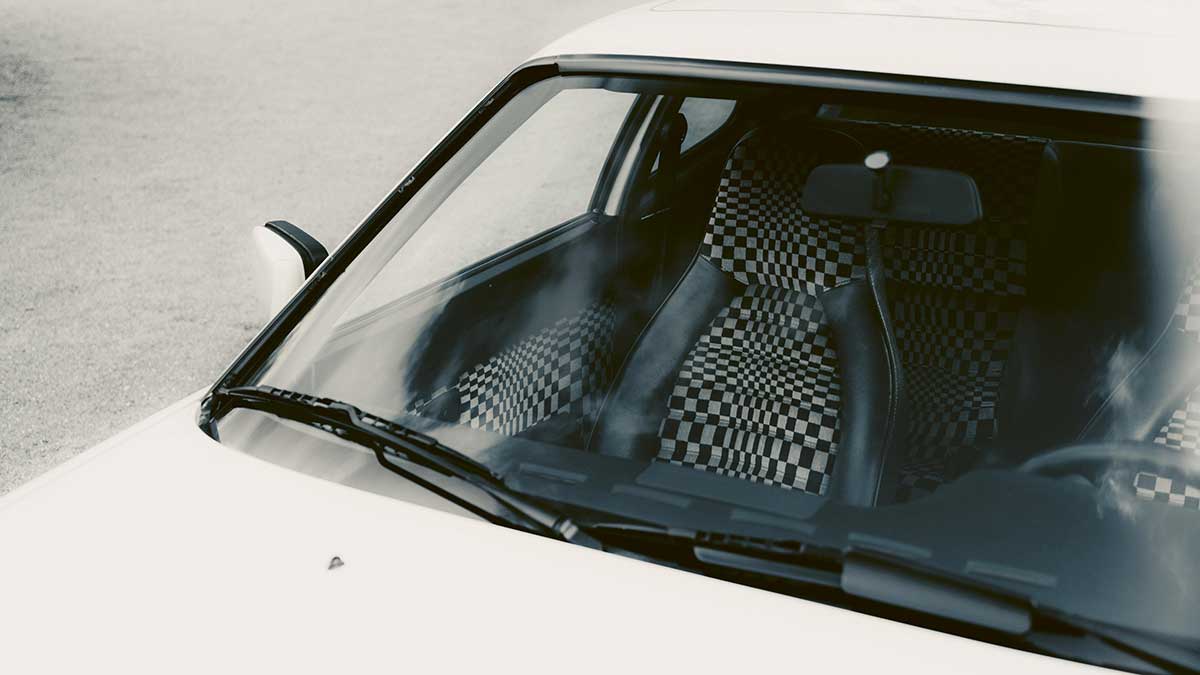
These "new reproduction textiles," offered as genuine Porsche parts, meet the sports car manufacturer's high quality standards, not only in terms of feel and durability, but also in the highly accurate reproduction of extremely complex patterns and color schemes.
The newly reproduced fabric has undergone various tests such as flame retardancy, light resistance, colorfastness, and abrasion resistance, so it is said to be safe for use in various parts of the car, such as seats and door linings.
The fabric is sold in 1.5m x 2m sizes.
Extensive investigation of internal and external materials
The source of information for creating these fabrics was mainly Porsche's in-house archives, and rare stock items were also obtained and researched.
The newly announced fabric options include:
| fabric | Eligible vehicles | Part Number |
| Pasha (white/black): Pasha fabric white/black | ・928 (1978-1979) | PCG000000AS79A |
| 964 Multicolour Cobalt Blue fabric | ・928 (1991-1993) ・944 (1991) ・964 (1991-1994) ・968 (1992-1993) | PCG000000AS9YD |
| Tartan red/blue: Tartan fabric red/blue (McLaughlan) | ・911 G-Model (1975-1980) ・924 (1980-1982) ・928 (1980) | PCG551081AS8AB |
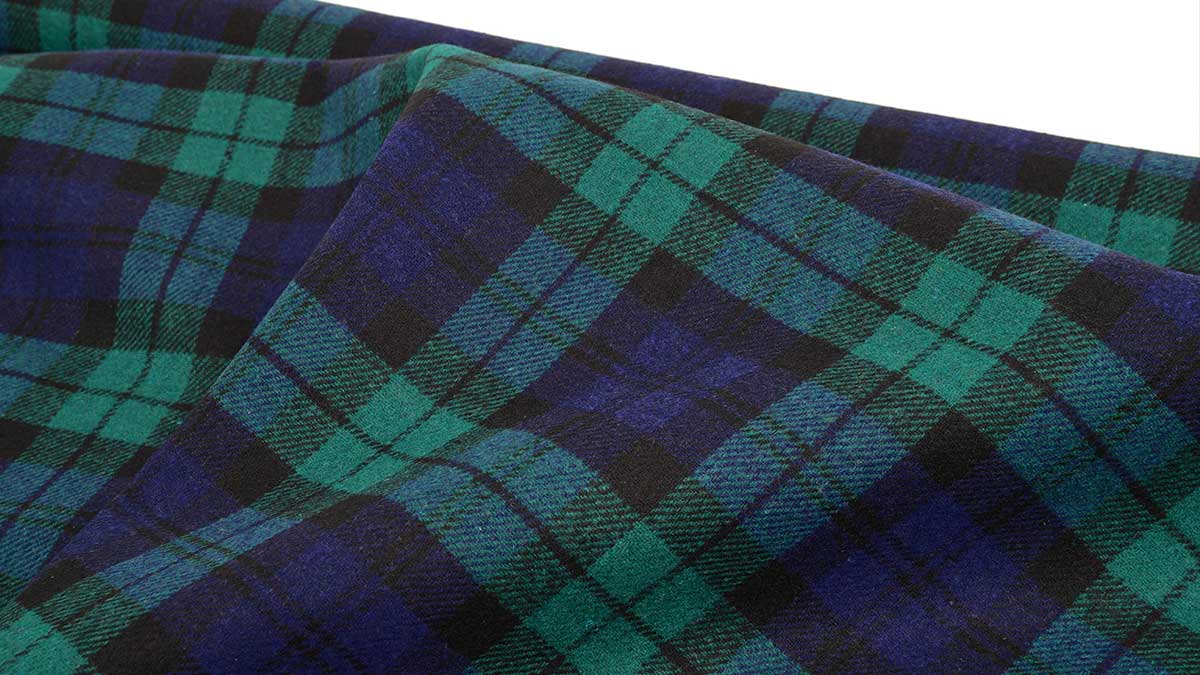
| Tartan fabric green/blue (Black Watch) | ・911 G-Model (1975-1980) ・924 (1980-1982) ・928 (1980) | PCG551082AS2AC |
| Porsche lettering fabric Olive Green: Porsche lettering fabric Olive Green | ・911 G-Model (1985-1987) ・928 (1985-1987) | PCG000000AS1JK |
| Pepita (black/white): Pepita fabric black/white | ・356 (1963-1965), 356 C only ・911 F-Model (1965-1973) | PCG551531AS730 |
| Pepita (red/black/white): Pepita fabric red/black/white | ・356 (1963-1965), 356 C only ・911 F-Model (1965-1973) | PCG551531AS005 |
| Pinstripe velour (black/white): Pinstripe velour black/white | ・911 G-Model (1977-1989) ・964 (1989-1990) ・924 (1977-1988) ・928 (1978-1990) ・944 (1982-1990) | PCG000000107BN |
| Porsche lettering Midnight Blue: Porsche lettering Midnight Blue | ・911 G-Model (1987-1989) ・993 (1994-1998) ・924 (1986-1988) ・928 (1987-1995) ・944 (1985-1991) | PCG000000004GP |
| Porsche lettering black: Porsche lettering black | ・911 G-Model (1987-1989) ・993 (1994-1998) ・924 (1986-1988) ・928 (1987-1995) ・944 (1985-1991) | PCG043204902CZ |
Although not shown in this table, there are plans to release more color variations, including a "lobster color" pinstripe, which is said to be the traditional orange color.
I'm looking forward to seeing more colors coming out in the future.I'm sure there will be even more expensive fabric-to-sample (FTS) products (lol).
What is Pepita?
The Pepita was offered as a seat option for the Porsche 356 from 1963 onwards, and two years later it was also available for the 911 F model.
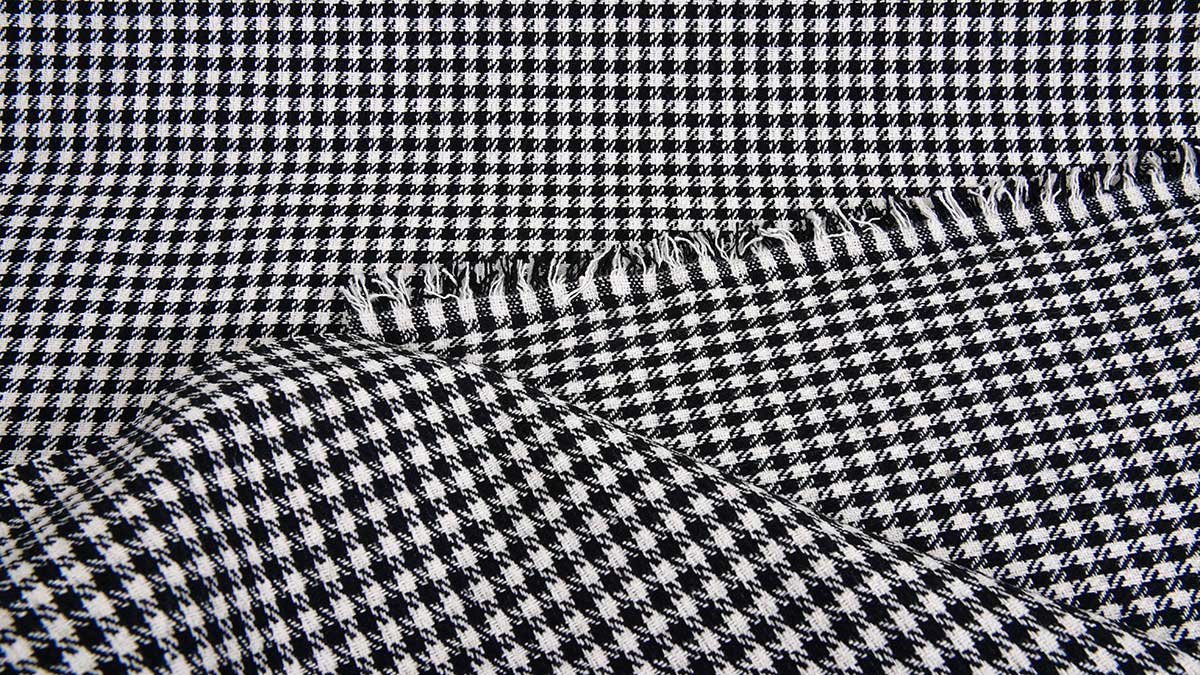
The checkered pattern is made up of diagonal stripes, and the name "Pepita" comes from the stage name of the 19th century Spanish dancer Josefa Durán y Ortega, "Pepita de Oliva."
Huh? It comes from a dancer's stage name?! What a surprising fact.
The Pepita pattern became famous in 1947 when French fashion designer Christian Dior used it in his women's collection.
What is Tartan?
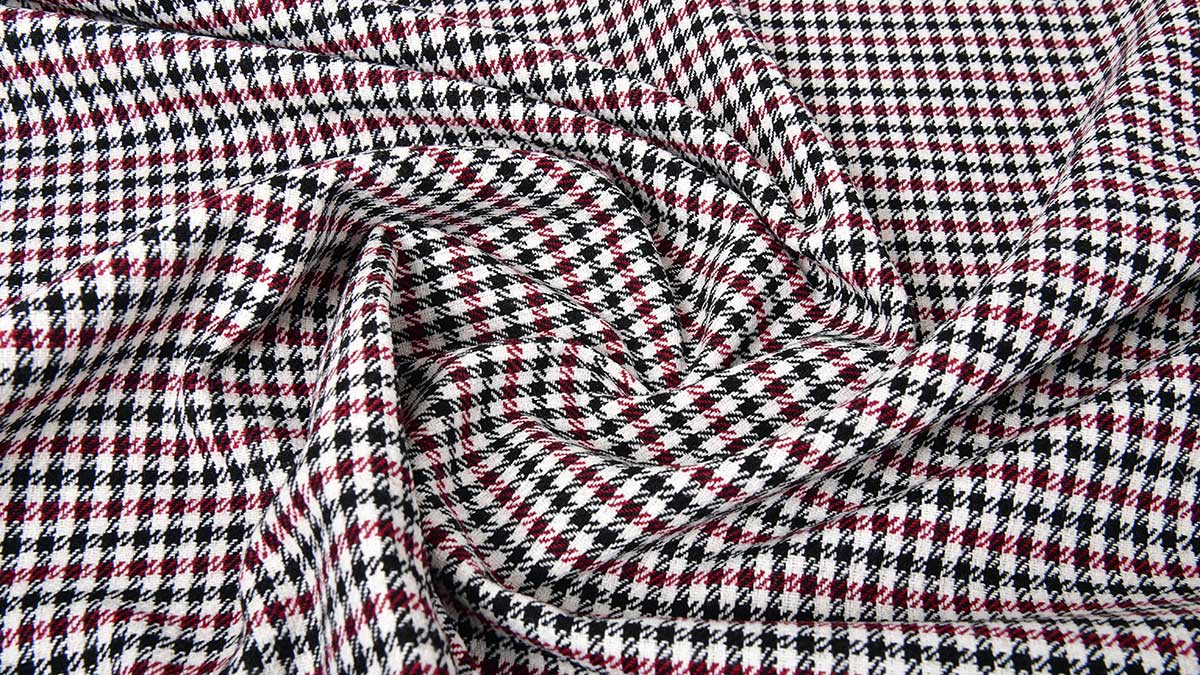
Tartan is said to symbolize tradition, craftsmanship, belonging, and confidence, and in 1974 the 911 Turbo was offered in three limited edition tartans.
Tartan was first offered on the Turbo and 911 models from the 1976 model year.
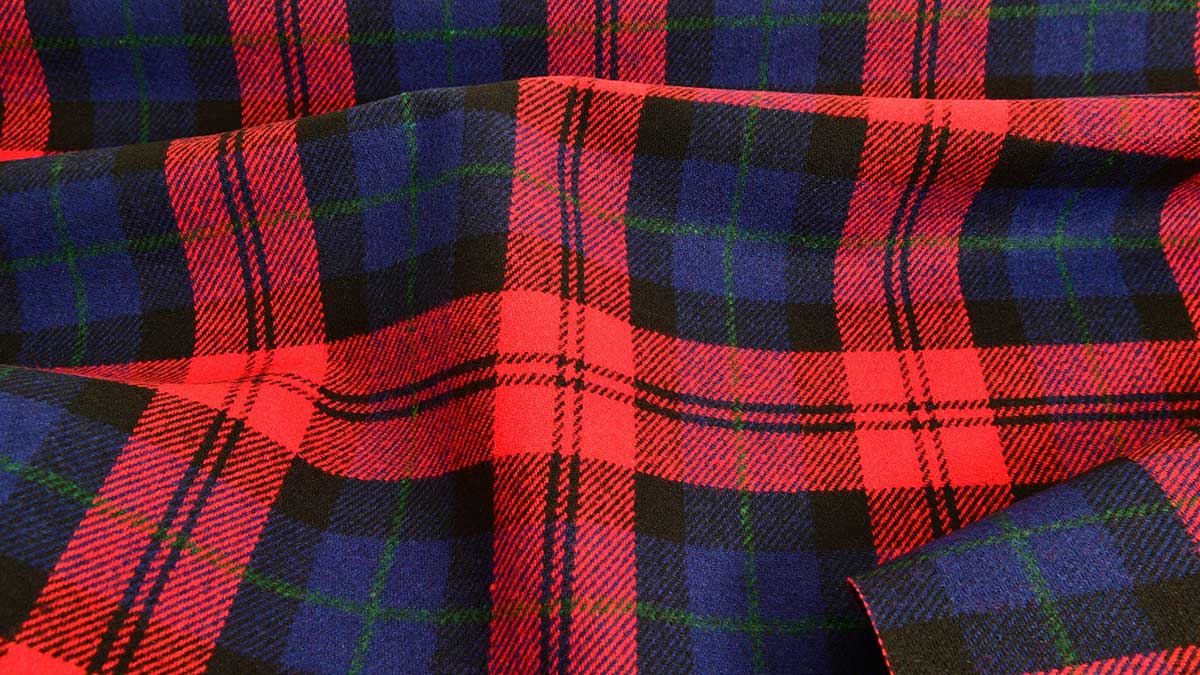
Tartan is characterized by a checkered pattern created by using different colored threads during the weaving process.
At the 1973 Frankfurt am Main International Motor Show (IAA), Porsche unveiled a study of the 911 RSR Turbo with Black Watch tartan seat centers and side panels. A year later, Louise Piëch received her silver 911 Turbo "No. 1," which featured a red leather interior and McLaughlan tartan seat centers.
What is Pasha?
The Pasha pattern, which was inspired by the movement of a waving checkered flag, is said to be a homage to the world of motorsports and was first used on the 928 in southern France in 1977, and was then also used on the 911, 924, and 944 until the mid-1980s.
The Pasha pattern has become one of Porsche's iconic interior designs, and the name "Pasha" is said to have been inspired by the image of an Ottoman sultan reclining on comfortable silk and velvet cushions (what does that mean?).
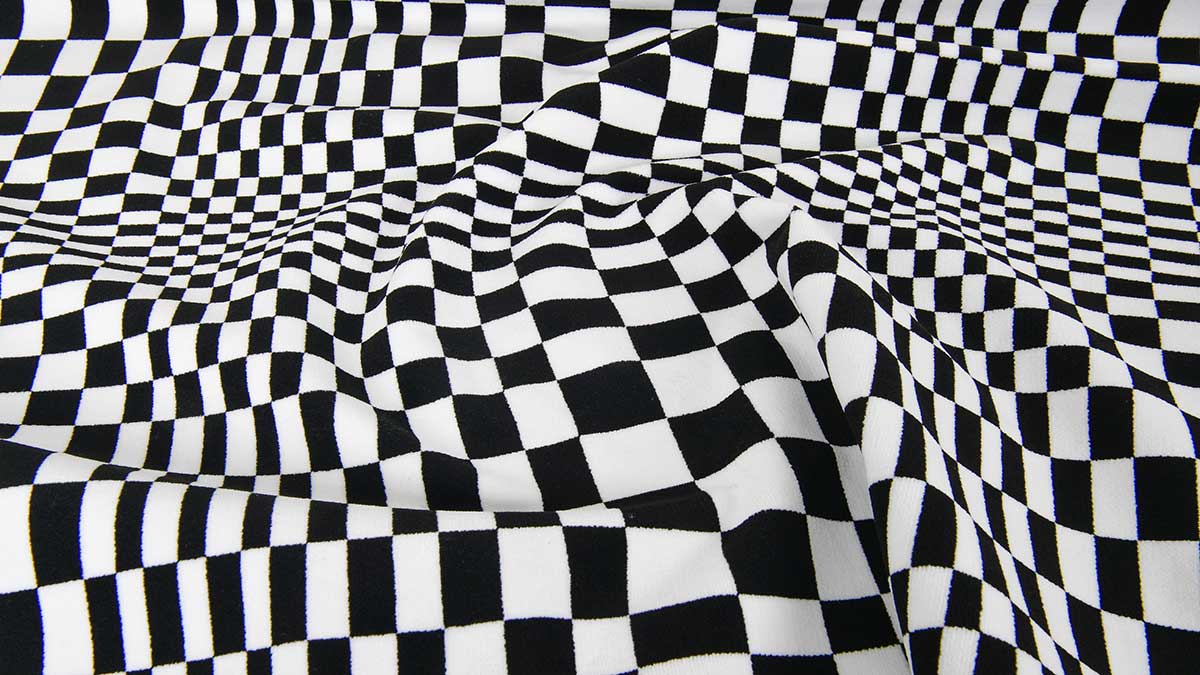
Over 50 years ago, a design team led by Anatole 'Tony' Lapine and Vlasta Hatter developed this pattern based on a poster by the legendary Erich Strenger.
The clever arrangement of rectangles of various sizes creates movement in the pattern, visually expressing the dynamism and elegance of Porsche.
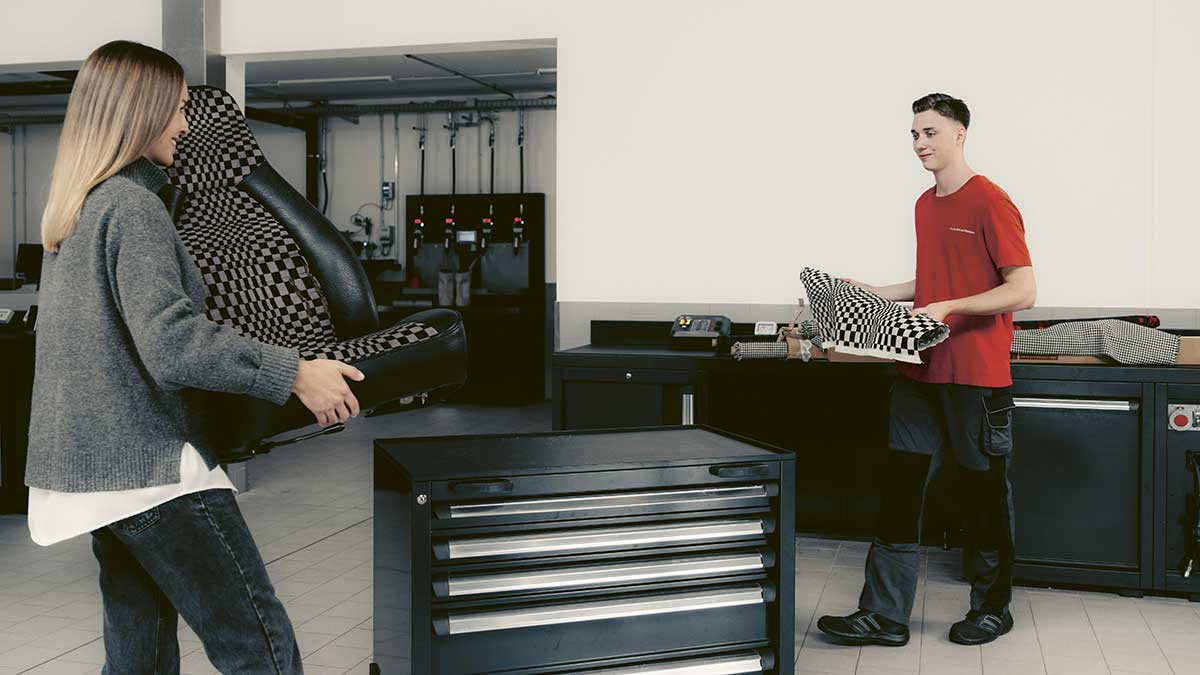
This pattern is also used on the new 911 Spirit 70.
Source:(Official)Woven from dreams: Porsche brings back historic fabrics
Related article:Third limited edition vehicle based on the Heritage Design Strategy: Porsche 911 Spirit 70
I'm Rika, the author of this article. Since I got my hands on a Porsche 911, I've been completely hooked on Porsches and I can't stop loving them, so I started this blog. My favorite cars are the 911 Carrera (2/991), 911 Carrera Cabriolet & 911 Carrera T (1/992), GT3 (1/997) and 718 Cayman GT4 RS.
 English
  Japanese